
August 8, 2025/
No Comments
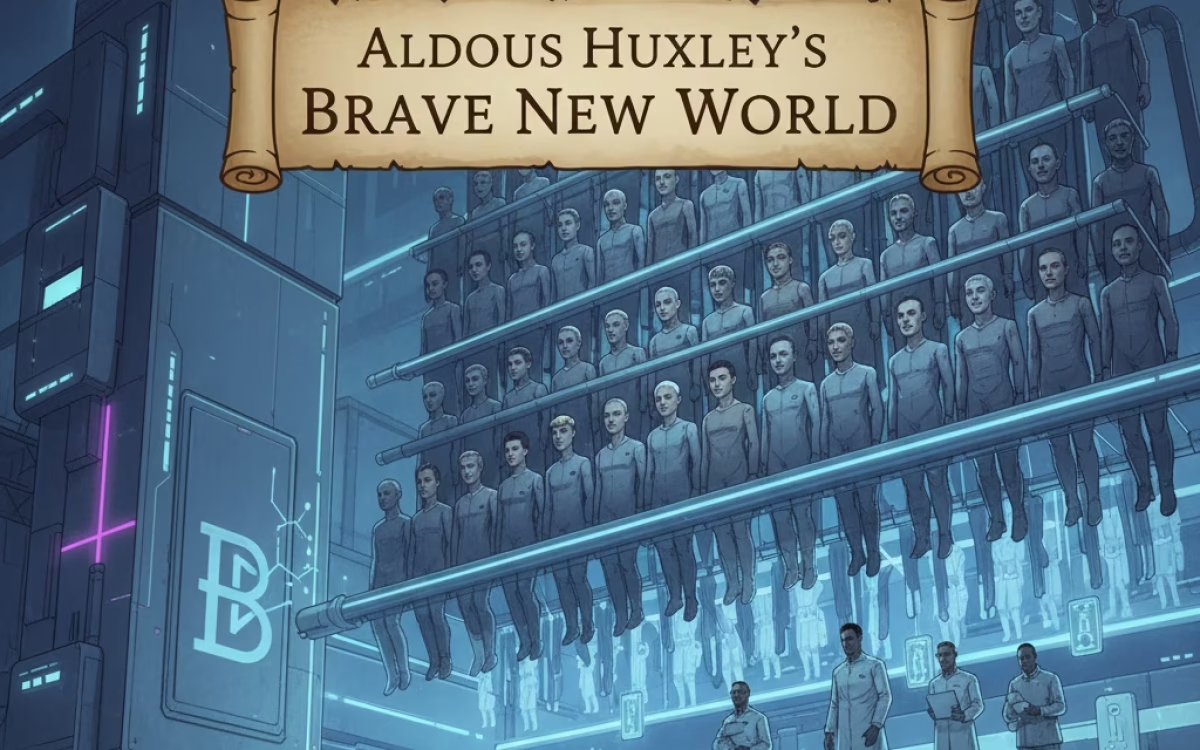
Introduction Aldous Huxley’s Brave New World (1932) stands as a formidable beacon in dystopian literature. It vividly paints a future. Science and rationality have overrun human values. Society now prioritises collective stability and superficial happiness. This comes at a cost: freedom, individuality, and genuine emotion are lost. Set in a thoroughly engineered World State, Huxley exposes the perils of technological control intertwined with consumerism and psychological manipulation. The novel remains a powerful mirror reflecting modern societal anxieties and ethical...