INTRODUCTION
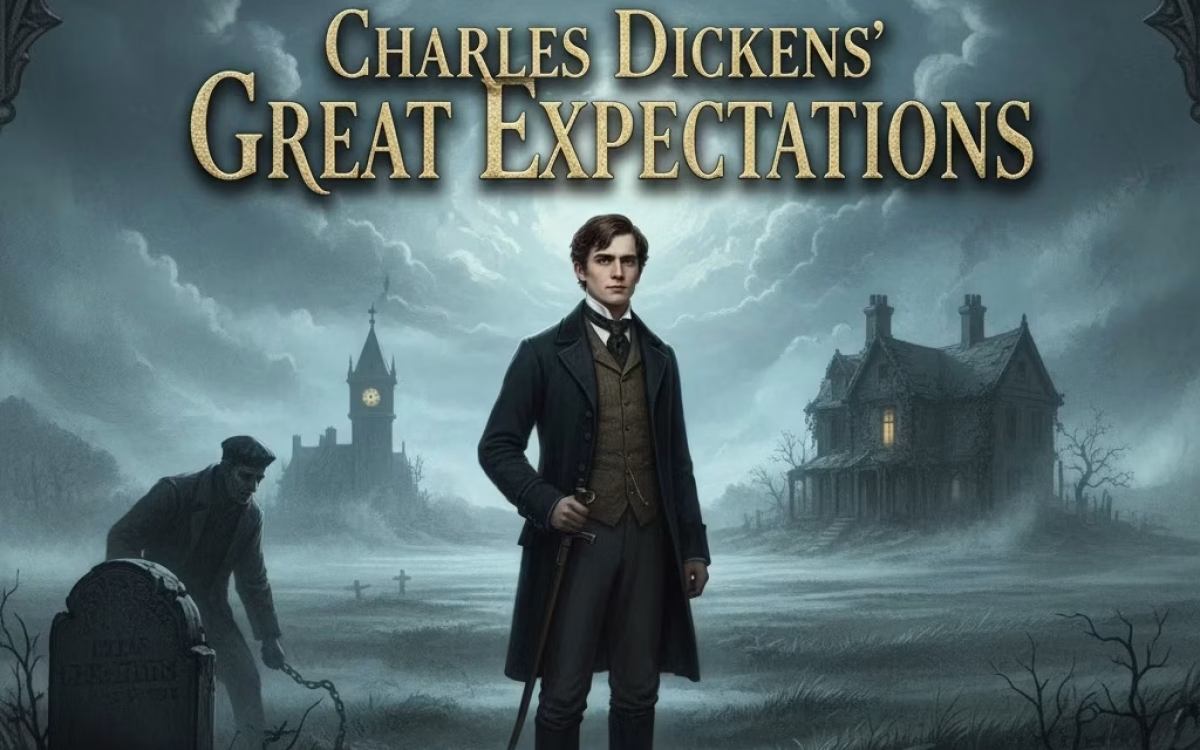
Charles Dickens’ Great Expectations stands out as one of the most studied and celebrated novels in English literature. First published in 1861, it continues to influence readers, critics, and creators on multiple platforms. The story follows Pip, a young orphan in 19th-century England, who faces a series of life-changing events and navigates social class, personal ambition, and challenging relationships.
From the opening scene on cold marshes to London’s bustling streets, Dickens crafts a narrative full of vivid imagery and memorable dialogue. He uses Pip’s journey to question what success and happiness truly mean. Each character—Pip, Estella, Miss Havisham, Magwitch—reflects unique aspects of desire, regret, and redemption. Their interactions highlight the tension between social mobility and personal integrity, a theme still relevant today.
Whether you are exploring Victorian novels for the first time or seeking to deepen your understanding, this analysis offers fresh insights and practical value. “Great Expectations” is not just a story from the past. It is a mirror for self-reflection and discussion. With its layered narrative, sharp commentary on class, and unforgettable personalities, Dickens’s novel invites us all to ask: What do we really expect from life, and how do we find meaning in ambition and adversity?
Charles Dickens’ Great Expectations: Timeless Relevance
Great Expectations analyses Dickens’s subtle genius—and links themes like class, resilience, and emotional evolution to the information age. Dickens examines England’s rigid social hierarchy, dramatising how neither inherited privilege nor sudden wealth can guarantee happiness or fulfillment.
The plot begins with a young orphan named Pip, living with his harsh sister and gentle brother-in-law Joe Gargery. After a terrifying marsh encounter with the convict Magwitch, Pip’s world expands rapidly, setting him on a path of longing for social advancement and Estella’s love.
In a nation where every rung of the ladder feels farther apart, Dickens’s critique of class remains eternally relevant—especially for Indian readers navigating their own social and economic mobility. FULL TEXT
Charles Dickens’ Great Expectations: Drama, Morality, and Transformation
Dickens braids together ambition, identity, and disappointment. Pip’s childhood innocence gradually erodes under societal expectations and the seductive pull of aspiration—a familiar theme for content creators and YouTube educators breaking down literature in an era obsessed with status updates and self-improvement.
Ambition and Disillusionment: Pip’s journey from a humble smithy to the dazzling circles of London high society mirrors the struggles of those facing peer or parental pressure today. Dickens’s lesson is clear: chasing validation at the expense of personal integrity often leads to regret, not contentment.
Redemption and Forgiveness: The emotional redemption pipelines provided by Magwitch, Joe, and Biddy are among the most moving aspects of Dickens’s oeuvre—proof that transformation comes only through honest self-reflection.
The complex relationship between Estella and Miss Havisham highlights issues of intergenerational trauma and manipulation, themes that reverberate powerfully with both Indian students and global audiences.
Charles Dickens’ Great Expectations: Social Critique
One cannot conduct a true Great Expectations analysis without exploring how Dickens crafts not just memorable characters but also an intricate social tapestry. Victorian England was a world on the edge of change—old values clashing with new economic realities. Pip’s journey from rural poverty to city affluence is as much about interior transformation as it is about external circumstance.
Pip: The Complicated Hero
Pip’s struggles are never neatly resolved. As readers, we root for him even as he stumbles, recognizing our own flawed ambitions and anxieties in his story. His relationship with Joe and Biddy offers a grounding counterweight to the toxic values embodied by Miss Havisham and the wealthy elite.
Estella, Miss Havisham, and Magwitch
Estella’s emotional detachment is both a shield and a wound, shaped by Miss Havisham’s lifelong quest for vengeance. Meanwhile, Magwitch’s unexpected generosity complicates Victorian notions of criminality and class mobility.
Dickens subverts typical morality tales by making a criminal Pip’s benefactor, asking readers to question their assumptions about goodness and justice.
Charles Dicken’s Great Expectations: Thematic Analysis
Great Expectations isn’t just a period piece; it’s a mirror for modern society. The book is increasingly relevant in societies facing rising inequality and rapid change.
Class Anxiety: Just as India experiences its own battles with status and opportunity, Dickens’s England is full of characters vying for recognition and respect. Pip’s humiliation and ambition will resonate with anyone who’s strived to break out from their background.
Personal Growth: The novel is a guidebook for anyone seeking growth through adversity. Real wisdom, Dickens claims, comes not from acquisition but from self-awareness and caring relationships.
Charles Dickens’ Great Expectations: Narrative Craft
Much of the enduring appeal of Great Expectations lies in Dickens’s narrative skill. He balances memorable dialogue, biting satire, and powerful imagery. Narrative voice is key: Pip’s first-person perspective gives readers access to emotional growth, sharp self-critique, and flashes of wry humor.
Dickens’s idiomatic expressions, like “brought up by hand,” create linguistic texture and allow Pip’s personality to shine. His varied sentence lengths—terse in moments of shock, expansive in scenes of reflection—keep the story alive and readable. EXPLORE OTHER WORKS
Conclusion
Great Expectations by Charles Dickens closes on a thoughtful, open-ended note. Pip’s story, filled with ambition, heartbreak, and lessons in humility, comes full circle. The conclusion highlights how Pip matures through adversity and finds peace not in social status, but in authentic relationships. After years spent chasing wealth and loving Estella from afar, Pip discovers that true happiness lies in gratitude and kindness.
As the novel ends, Pip returns to his roots and reunites with Estella. Both characters have changed. Estella has endured a difficult marriage and is now free, while Pip has grown gentler and wiser. Their final meeting at the ruins of Satis House feels poignant and hopeful. They walk away together, hand in hand, suggesting that a deeper understanding and forgiveness now connect them. Dickens leaves the ending ambiguous, allowing readers to imagine their own future for the pair.
This closing moment reflects the core messages woven throughout the narrative: transformation, resilience, and the importance of human connection. Dickens reminds us that even in disappointment, life offers a chance to start anew. The relevance of Great Expectations endures because Pip’s journey speaks to readers everywhere—crossing time, place, and background. It encourages us to look beyond outward success and to find fulfillment in self-acceptance and meaningful bonds with others.
Frequently Asked Questions (FAQs)
Q1. Who are Estella’s parents in Great Expectations?
Estella is the daughter of Abel Magwitch, the convict, and Molly, Jaggers’s housekeeper, revealing a dramatic twist connecting Pip’s benefactor to the world he pursued.
Q2. What are Pip’s “great expectations”?
Pip’s “great expectations” refer to a fortune promised to him that would allow him to become a gentleman, embodying societal ambitions and personal hopes for transformation.
Q3. Why does Pip feel ashamed of Joe?
Pip feels ashamed of Joe Gargery when exposed to higher society, as he becomes self-conscious of Joe’s humble background. This shame reflects Pip’s internal conflict about identity and status.
Q4. Why does Estella reject Pip’s love?
Estella was raised by Miss Havisham to break hearts and suppress her own feelings, leading her to reject Pip’s genuine affection and perpetuate emotional detachment.
Q5. What role does social class play in the novel?
Dickens uses social class to drive character choices, highlight moral ambiguity, and critique the division between wealth and virtue. Class ambition shapes Pip’s life from childhood to adulthood.