Introduction
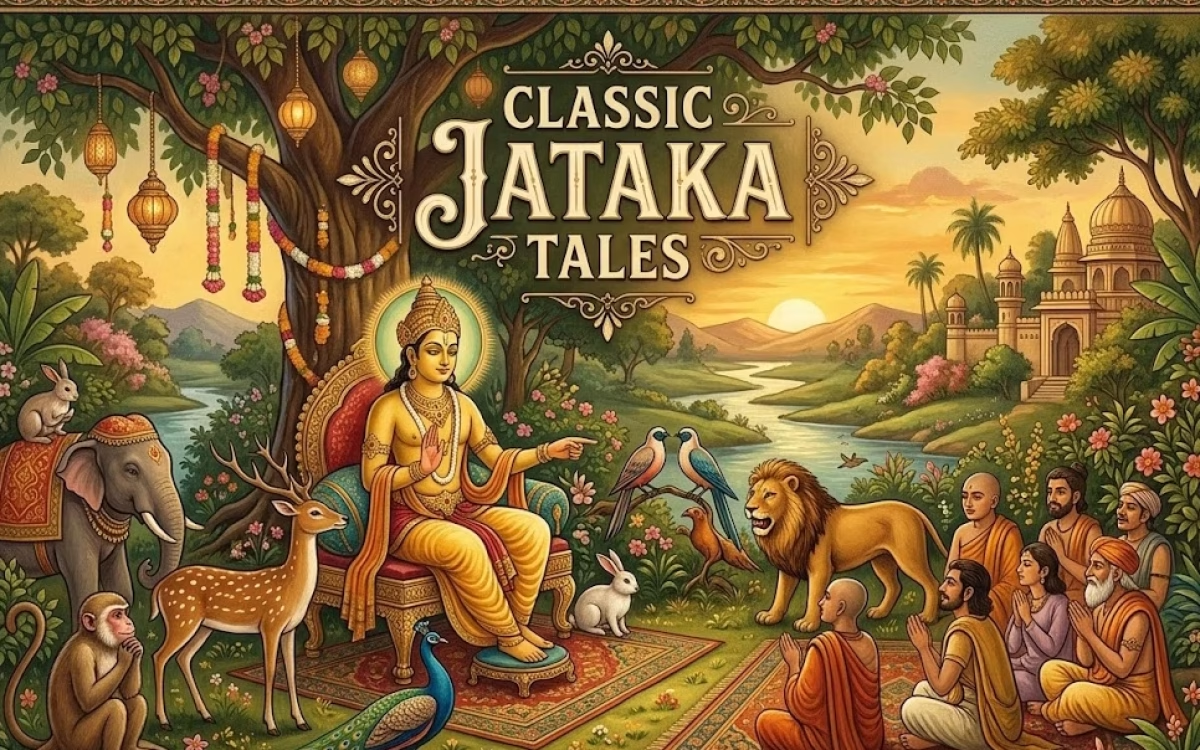
Classic Jataka Tales: Timeless Lessons from Ancient Buddhist Fables
Why do stories written over two millennia ago still perfectly describe human behavior today? In a world obsessed with viral memes and self-help books, these ancient narratives cut straight to the heart of greed, folly, and pride—flaws as relevant now as they were in ancient India.
The Classic Jataka Tales serve as the ancient predecessors to many of the world’s most famous fables, from Aesop’s morals to modern parables. Embedded in Buddhist scriptures like the Pali Canon, these 547+ Jataka stories recount the previous lives of the Buddha, often as animals or kings facing moral dilemmas. Passed down orally before being compiled around the 4th century BCE, they blend vivid storytelling with profound ethics.
While rooted in Buddhist teachings, the lessons of the Classic Jataka Tales on greed, foolishness, and pride are universal, offering wisdom that transcends religion and era.
Reading summaries is great, but engaging with the primary text is how you master the subject. If you want to add this to your personal library, you can grab the translated edition here: [JATAKA TALES on Amazon].
Quick Summary
The Jataka Tales are a massive body of ancient Indian literature native to Buddhist tradition. They consist of hundreds of fables and poems that detail the previous lives (human and animal incarnations) of the Buddha (the Bodhisatta) before he achieved enlightenment. These stories are highly secular and practical, using animals, kings, and everyday people to highlight moral pitfalls and teach practical wisdom, ethical behavior, and the consequences of human folly.
The Haughty Slave (Nanda-Jataka): A Classic Jataka Tale of Arrogance and Hidden Treasure
In the Nanda-Jataka, one of the most compelling Classic Jataka Tales, a once-humble slave’s rise to riches exposes the perils of pride. This ancient Buddhist fable, drawn from the Buddha’s previous lives, delivers a sharp moral on wealth’s corrupting influence.
The Summary
Once, a wealthy merchant died, leaving his vast fortune buried in secret—known only to his loyal slave, Nanda. After the master’s passing, Nanda revealed the hoard to the grieving son, who rewarded him with freedom, a wife, and half the treasure. Elevated to riches overnight, Nanda transformed into the haughty slave of the tale’s title. He strutted through the village, scorning his former peers and even his kind wife. But when drought struck and creditors demanded repayment of old debts, Nanda’s arrogance crumbled. Unable to access the remaining treasure without admitting his folly, he confessed everything. The son forgave him, but only after stripping away the unearned wealth.
The Moral/Theme
This Haughty Slave Jataka tale warns against the arrogance that comes with unearned wealth and underscores the importance of humility. As the Buddha explains in the frame story, true prosperity blooms from virtue, not fleeting fortune— a timeless reminder echoed in fables worldwide.
The Pigeon and the Crow (Kapota-Jataka): A Classic Jataka Tale of Greed and Deceit
The Kapota-Jataka, or Pigeon and the Crow Jataka tale, shines as one of the Classic Jataka Tales highlighting the pitfalls of envy and false bonds. In this Buddhist fable from the Buddha’s past lives, a cunning crow’s hunger sparks a lesson in loyalty and consequences.
The Summary
Once, a gluttonous crow spied a tame pigeon thriving on daily scraps from a royal cook’s kitchen. Envious of the pigeon’s easy meals, the crow feigned friendship, mimicking the pigeon’s gentle coos and habits to gain the cook’s trust. The ploy worked—the cook welcomed the “tame” bird, showering it with food. But greed overtook the crow; one day, it tried to snatch an extra portion. Caught red-beaked, the cook trapped and plucked the crow, while the innocent pigeon fluttered away unharmed.
The Moral/Theme
Greed leads to destruction, and false friendships built on ulterior motives always end badly. As the Buddha reveals in the tale’s frame, true companionship stems from sincerity, not self-interest—a universal truth from these ancient Jataka stories.
The Foolish Friend (Makasa-Jataka): A Classic Jataka Tale of Misguided Loyalty
The Makasa-Jataka, known as the Foolish Friend Jataka tale, stands out among Classic Jataka Tales for its grim humor and stark warning on blind trust. This ancient Buddhist story from the Buddha’s previous births illustrates how good intentions can turn deadly without wisdom.
The Summary
Once, a bald, gray-haired carpenter planed wood under the sun when a mosquito landed on his scalp and bit him. His well-meaning but dim-witted son grabbed a heavy axe (or pestle in some versions) to swat the pest. Swinging wildly, the son cleaved his father’s skull in two, killing him instantly. The Bodhisatta, a wise monkey witnessing the tragedy, shook his head at the needless horror.
The Moral/Theme
“Sense-lacking friends are worse than foes with sense.” The Makasa-Jataka teaches it’s far better to have a highly intelligent enemy than a well-meaning but incredibly stupid friend—prioritizing discernment over blind loyalty in these timeless Jataka lessons.
The Stupid Monkeys (Aramadusa-Jataka): A Classic Jataka Tale of Well-Meaning Folly
The Aramadusa-Jataka, or Stupid Monkeys Jataka tale, ranks among the most memorable Classic Jataka Tales for its cautionary take on overzealous obedience. This Buddhist fable from the Buddha’s past lives exposes how ignorance masquerading as diligence leads to ruin.
The Summary
Once, a king’s gardener needed a city holiday and entrusted his young garden trees to a local tribe of monkeys. The Monkey Chief eagerly agreed, but to prevent water waste, he ordered his troop to dig up every sapling by the roots—checking root length to gauge exact watering needs. The monkeys dutifully uprooted them all. By the gardener’s return, the entire grove lay withered and dead.
The Moral/Theme
Ignorance, even paired with good intentions, causes terrible harm. The Aramadusa-Jataka warns: Never give a complex task to a fool—a lesson in competence over enthusiasm from these enduring Jataka stories.
“Because these same narrative structures appear in stories all over the world, they are a perfect example of universal literary patterns. Learn more about why humans share these stories in our post on [Carl Jung’s Archetypal Criticism].”
The Robbers and the Treasure (Vedabbha-Jataka): A Classic Jataka Tale of Deadly Greed
The Vedabbha-Jataka, known as the Robbers and the Treasure Jataka tale, captivates as one of the Classic Jataka Tales with its bloody cycle of avarice. This ancient Buddhist story from the Buddha’s prior lives mirrors human nature’s darkest impulses.
The Summary
Once, robbers captured a brahmin skilled in magic. Forced to perform, he chanted a spell that rained treasure from the sky. Amazed, the bandits spared him—until a rival gang arrived, slew the brahmin (who couldn’t repeat the feat), and seized the gold. Greed ignited; they slaughtered each other until two remained. One poisoned the other’s food; the survivor ate it unknowingly and died too. The hoard lay unclaimed amid the corpses.
Literary Connection (Teacher’s Tip)
This exact plot inspired Geoffrey Chaucer’s The Pardoner’s Tale in The Canterbury Tales centuries later—showcasing the Jataka tales’ global literary influence.
The Moral/Theme
Greed is a violent poison that destroys everyone it touches. The Vedabbha-Jataka delivers this unflinching truth, resonating through history.
“The story of The Robbers and the Treasure travelled across the world and heavily influenced European literature. See how this exact plot was used in the Middle Ages in our guide to [Geoffrey Chaucer’s The Canterbury Tales].”
Conclusion: Enduring Lessons from Classic Jataka Tales
These Classic Jataka Tales prove that the greatest dangers we face aren’t monsters, but our own greed and foolishness—flaws vividly exposed in every Jataka story we’ve explored.
Key Takeaways from the Tales
Haughty Slave (Nanda-Jataka): Unearned wealth breeds arrogance; humility endures.
Pigeon and Crow (Kapota-Jataka): False friendships fueled by greed collapse spectacularly.
Foolish Friend (Makasa-Jataka): Stupid allies harm more than savvy enemies.
Stupid Monkeys (Aramadusa-Jataka): Ignorance destroys even with good intentions.
Robbers and Treasure (Vedabbha-Jataka): Greed poisons all it touches, from ancient bands to Chaucer’s pilgrims.
Modern Relevance of Jataka Stories
Why study these ancient Jataka tales today? They illuminate the roots of global storytelling, influencing Aesop’s fables, Chaucer’s Canterbury Tales, and even Pixar morals. In our era of viral schemes and toxic ambition, their Buddhist-rooted wisdom—on pride, deceit, and discernment—offers practical tools for ethical living, leadership, and self-reflection. As the Bodhisatta often reminds us, true enlightenment starts with recognizing our inner fools.
FAQS
What is the main purpose of the Jataka tales?
The main purpose of the Jataka tales is to teach moral and ethical lessons through engaging stories of the Buddha's previous lives. Compiled in ancient Buddhist texts like the Pali Canon, these Classic Jataka Tales illustrate virtues like generosity, wisdom, and humility while warning against vices such as greed and pride. They served as educational tools for monks and laypeople alike.
Who is the Bodhisatta in these stories?
The Bodhisatta is the Buddha in his previous births—often a wise animal or human who observes folly and imparts lessons. For instance, in the Foolish Friend (Makasa-Jataka), the Bodhisatta as a monkey witnesses a son's axe-mishap killing his father, highlighting the dangers of senseless friends. This recurring figure embodies perfect enlightenment on the path to Buddhahood.