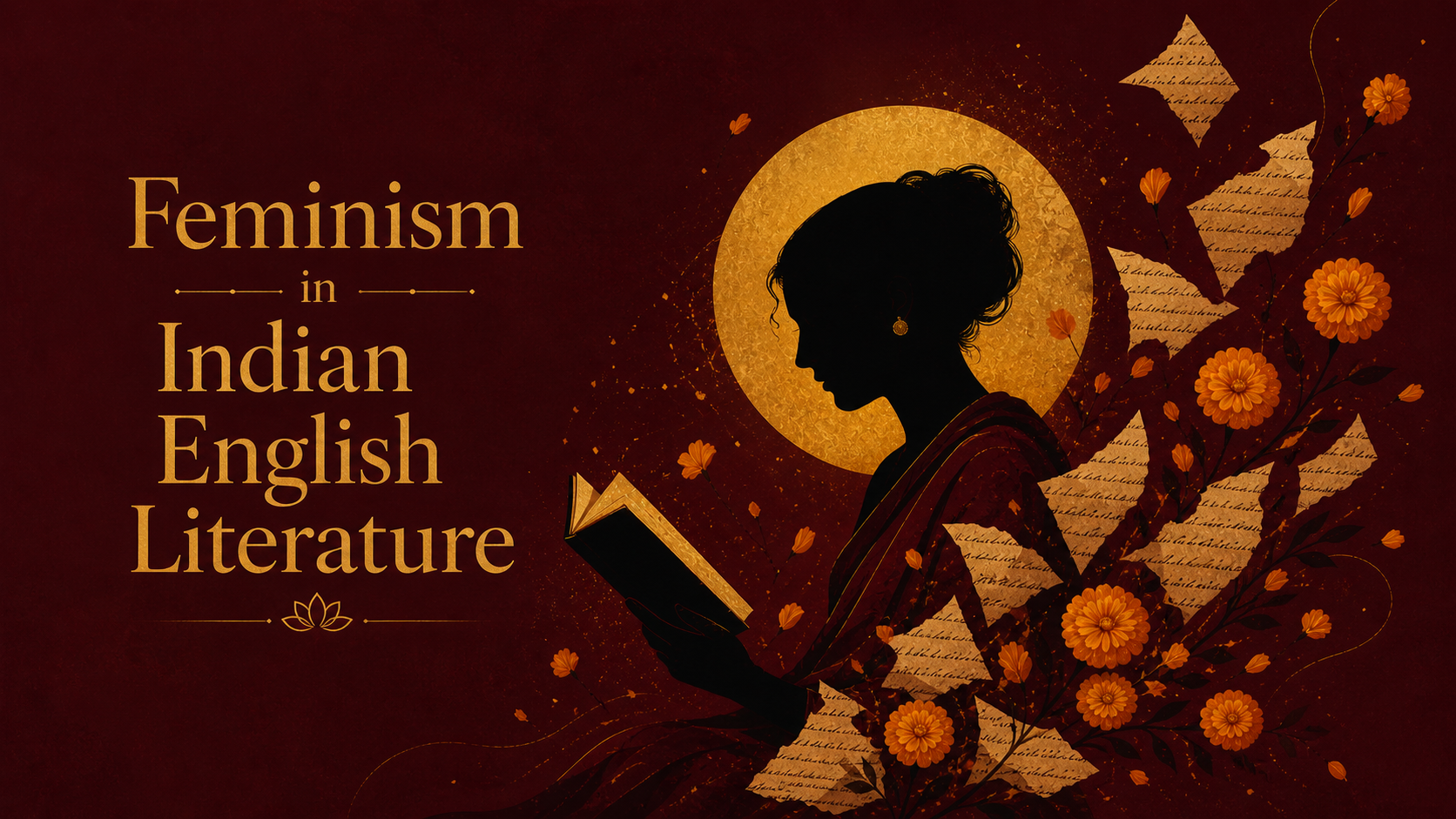
Introduction What does it mean to be a woman in India? For centuries, the answer was written by others — by tradition, by religion, by the patriarchal household. From the twentieth century onward, bold women writers grabbed their pens. They crafted their own answers through poetry, fiction, and autobiography. They turned feminism in Indian English literature into one of the world’s most powerful and politically charged literary traditions. From Kamala Das’s defiant confessional poetry to Arundhati Roy’s searing...

Introduction Have you ever read a novel where time jumps without warning, the narrator cannot be trusted, and nothing seems to mean anything — and yet somehow, you cannot stop reading? Or perhaps you have come across a poem that is...
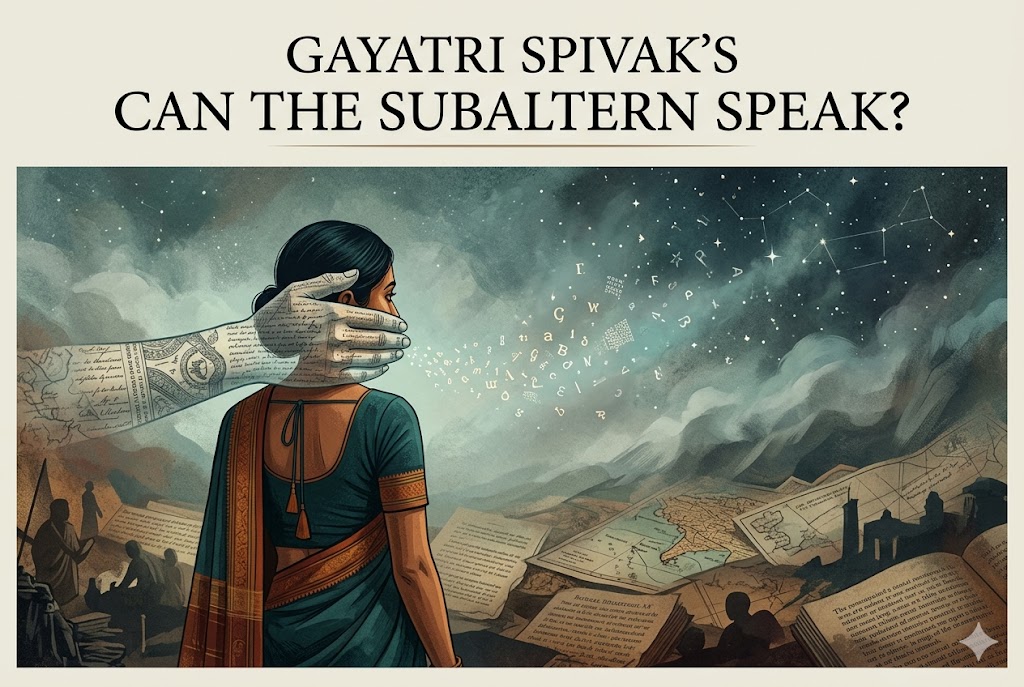
Spivak’s Can the Subaltern Speak: An Introduction Does the subaltern speak if their utterance is appropriated and refracted through the interpretive frameworks of hegemonic powers? This query animates Gayatri Chakravorty Spivak’s landmark 1988 essay, Can the Subaltern Speak?, a cornerstone of postcolonial...
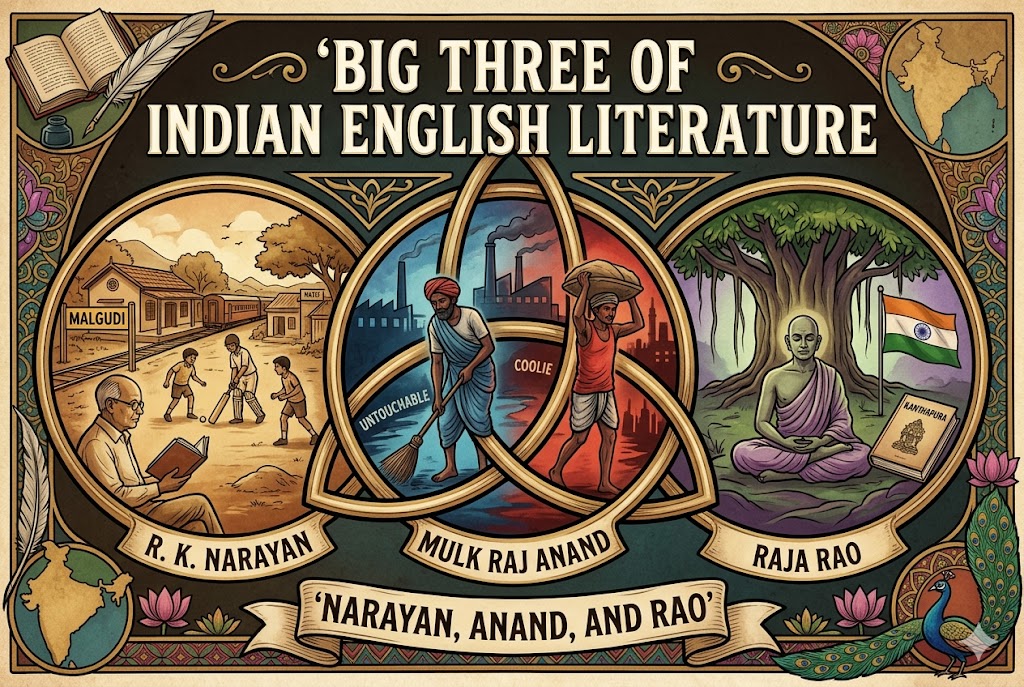
Introduction Before Salman Rushdie or Arundhati Roy dazzled global readers, the Big Three of Indian English—Mulk Raj Anand, R.K. Narayan, and Raja Rao—proved the Indian experience could thrive authentically in English. The Context The 1930s marked the golden decade for Indian...
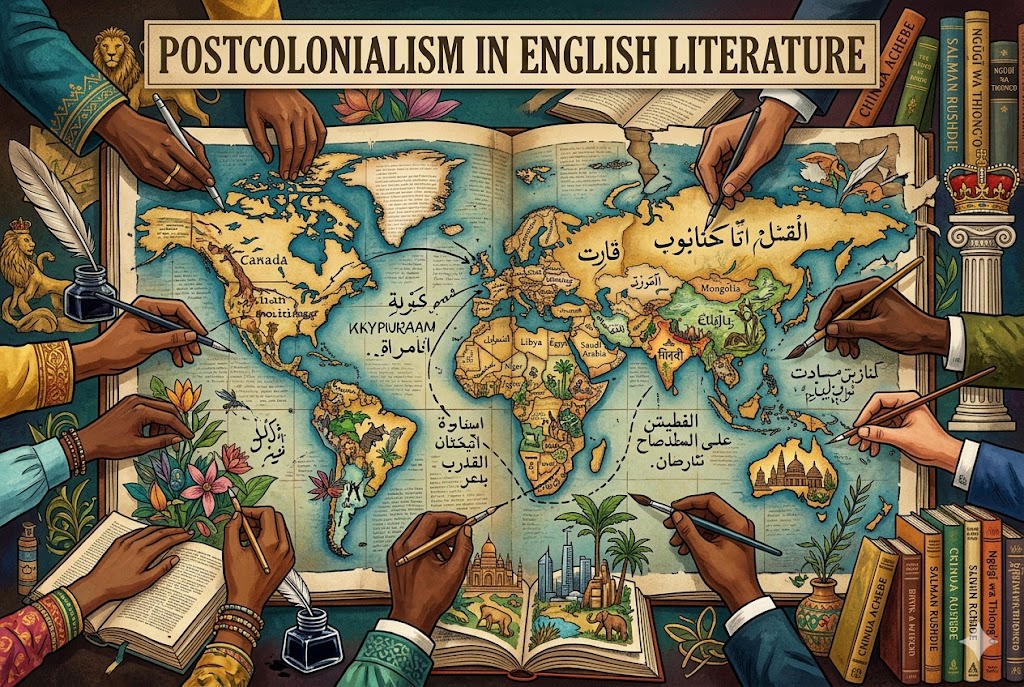
Introduction Postcolonialism: Reclaiming Voices from the Shadows of Empire Postcolonialism begins with a stark truth: history is written by the victors, but literature gives a voice back to the conquered. This term, central to postcolonial literature, isn’t just about time...
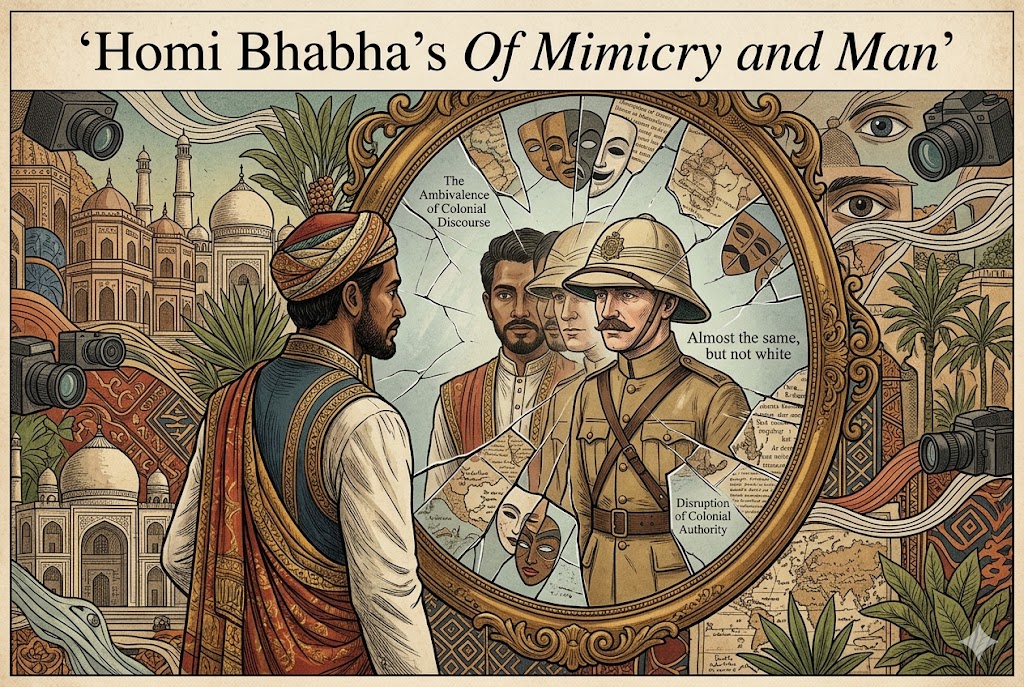
Introduction Homi Bhabha’s Of Mimicry and Man: A Psychological Trap in Postcolonial Theory The Departure from Said To understand Bhabha, one must first look at Edward Said. In Orientalism, Said argued that colonial discourse was a monolithic, totalising system of power—the...
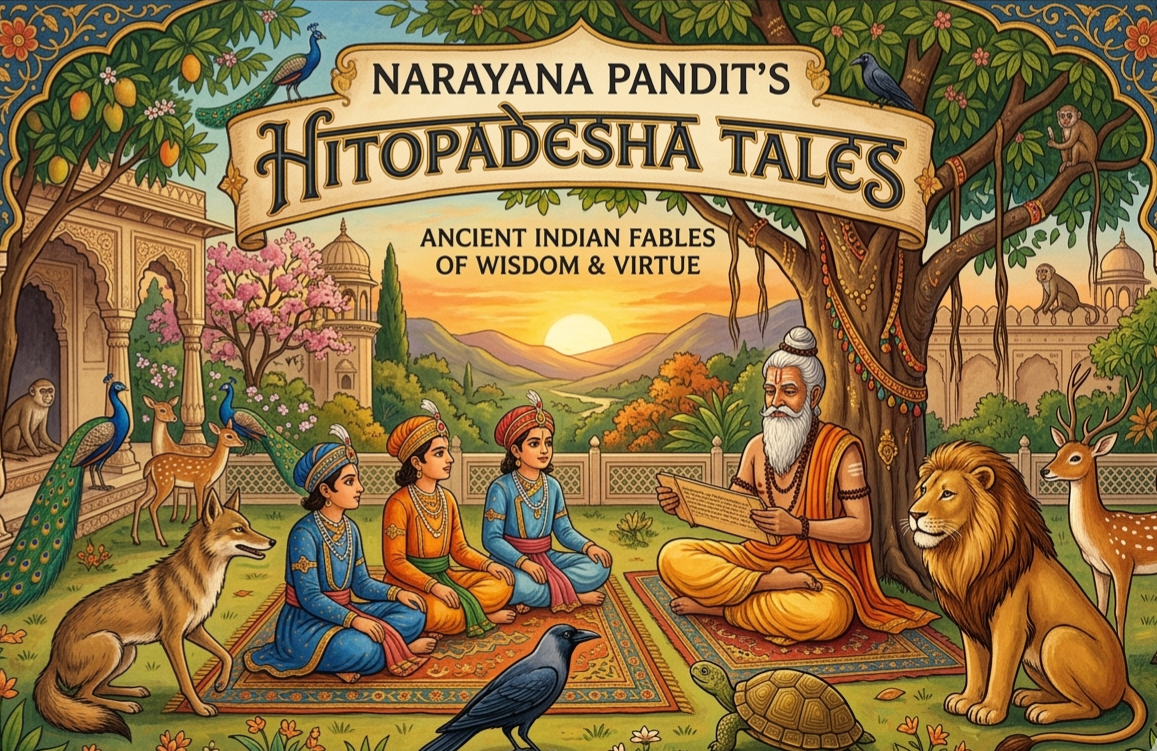
Introduction Narayana Pandit’s Hitopadesha Tales Why do we still turn to animal stories to teach adults how to survive the real world? These timeless fables cut through illusions, revealing raw truths about human nature. Enter Narayana Pandit, the 14th-century scholar who...