February 2, 2026
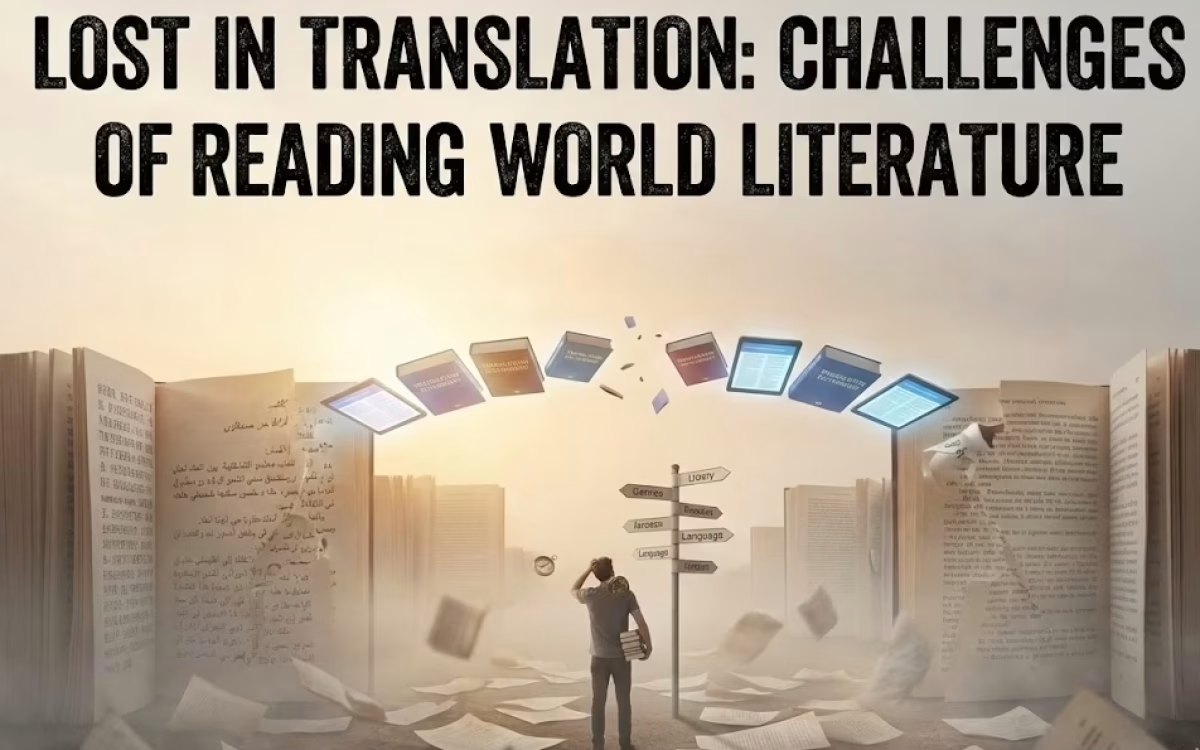
Introduction Lost in Translation: The Hidden Art of Literary Interpretation Imagine Michelangelo’s statue of Moses, sprouting horns from a biblical mistranslation of “qeren” as “horn” instead of “ray of light.” Hilarious? Yes. Revealing? Absolutely. We adore world literature gems like Murakami’s surreal dreams, Kafka’s eerie bureaucracies, or Tolstoy’s epic battles. But we often forget something crucial. We read a translator’s voice, not just the author’s raw words. Translation demands a tough negotiation. Fidelity chases accuracy to the original...

Introduction Top 5 Bildungsroman Novels: Everyone remembers the pain of growing up—the confusion, the discoveries, and the bittersweet lessons that shape who we become. Literature captures this universal struggle through the Bildungsroman, a genre devoted to exploring personal growth and self-discovery. Derived from...
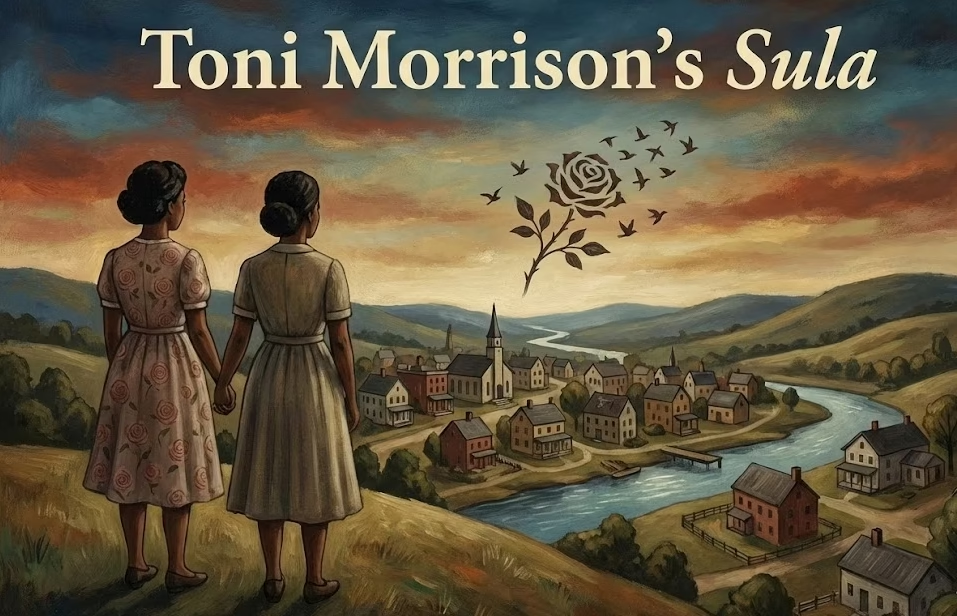
Introduction Toni Morrison’s Sula challenges the traditional idea that romantic love is the most meaningful connection in life. Most novels celebrate marriage as the ultimate human bond, but Morrison’s powerful narrative insists otherwise. In Sula, female friendship—raw, tender, and rebellious—emerges as a force...
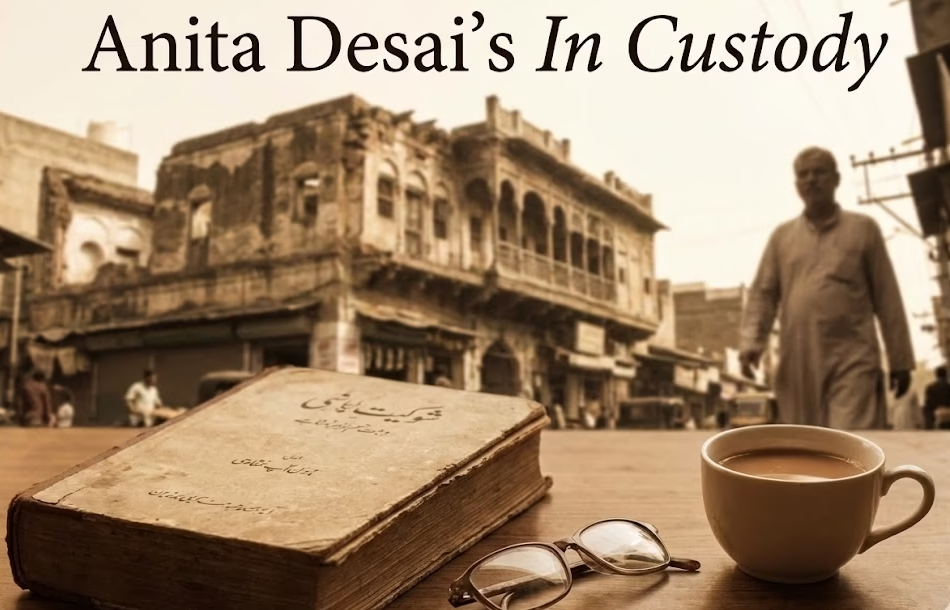
Introduction Can you love a language that is dying? This haunting question forms the emotional core of Anita Desai’s In Custody. Set in post-partition India, the novel explores a world where Hindi has become the language of authority, employment, and progress, while Urdu lingers as...
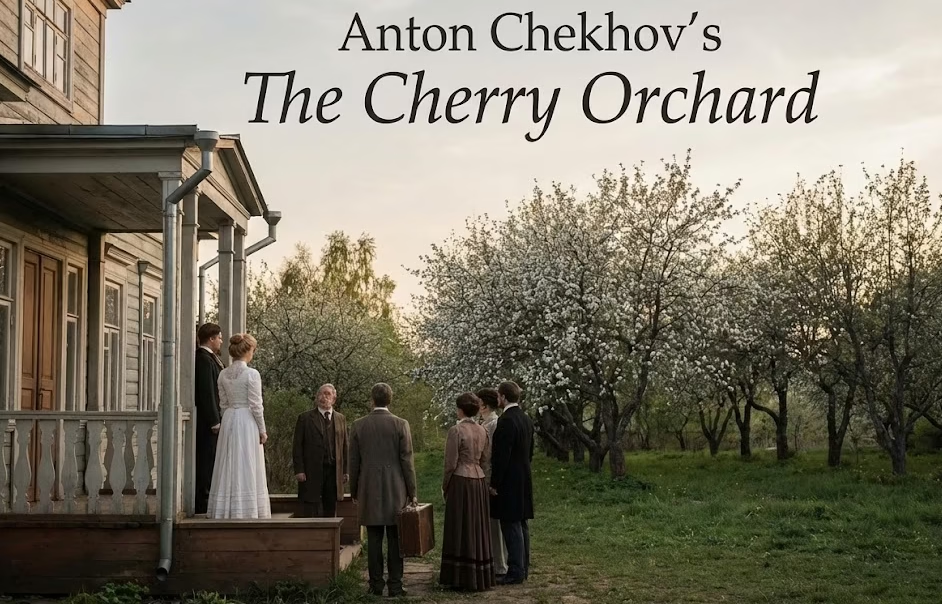
Introduction Anton Chekhov’s The Cherry Orchard opens with a hauntingly familiar dilemma—imagine losing your family home because you were too sentimental to save it. Written on the brink of revolutionary change in Russia, the play captures a society mourning the loss of its...
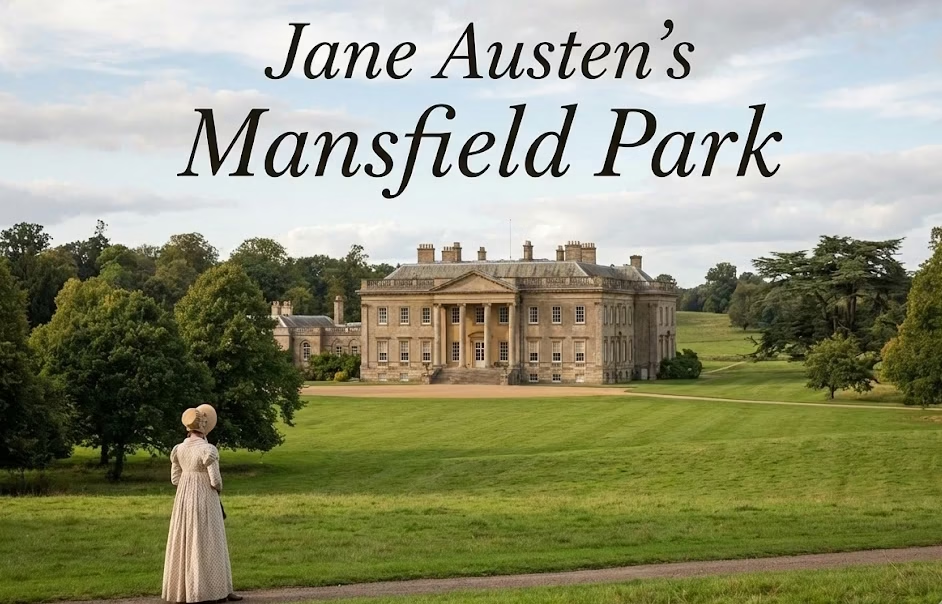
Introduction Jane Austen’s Mansfield Park divides readers like no other of her novels. Most people adore Pride and Prejudice for its sparkling wit and confident heroine, yet they struggle with Mansfield Park because Fanny Price seems the very opposite—a quiet, morally rigid observer rather than a...
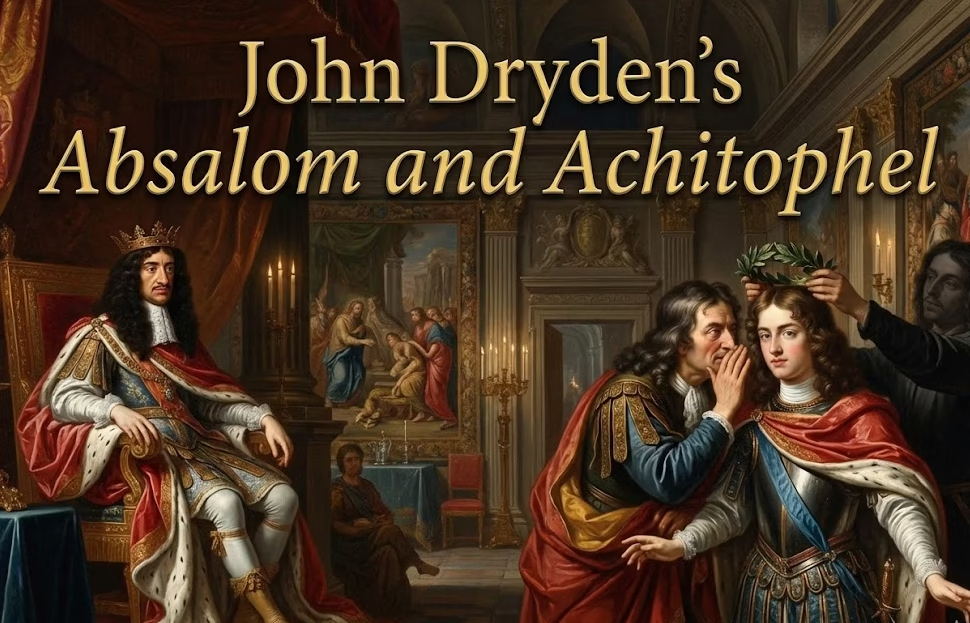
Introduction John Dryden’s Absalom and Achitophel proves that politics never really changes. Ambition, betrayal, and even fake news—Dryden wrote about them in 1681, yet his themes still feel modern today. The poem was composed during the Exclusion Crisis, a time when Parliament sought to...