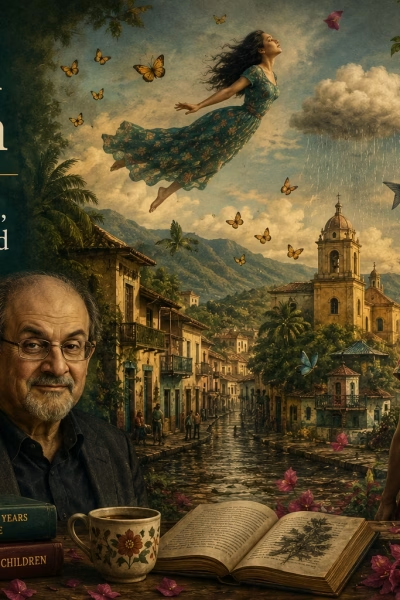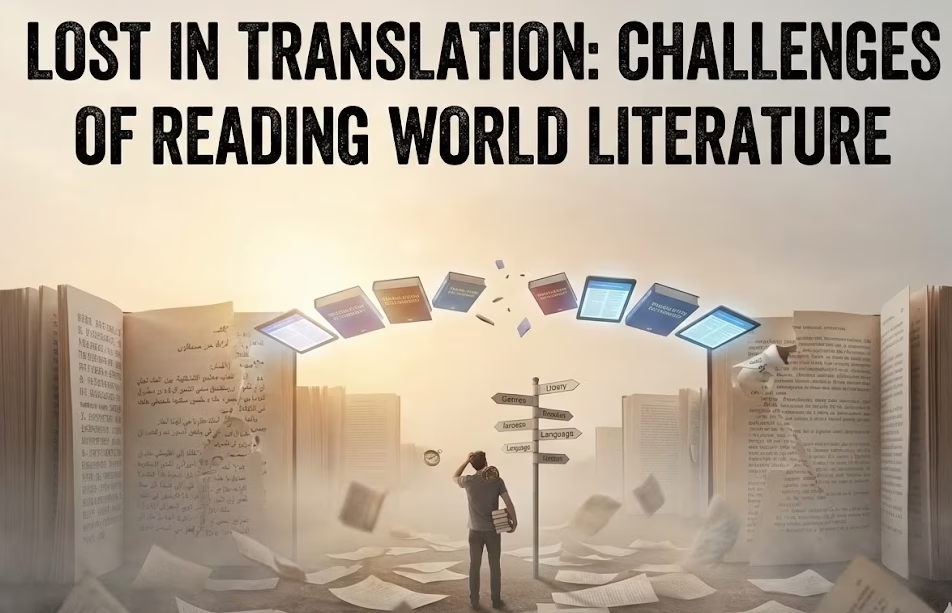
Introduction Lost in Translation: The Hidden Art of Literary Interpretation Imagine Michelangelo’s statue of Moses, sprouting horns from a biblical mistranslation of “qeren” as “horn” instead of “ray of light.” Hilarious? Yes. Revealing? Absolutely. We adore world literature gems like Murakami’s...
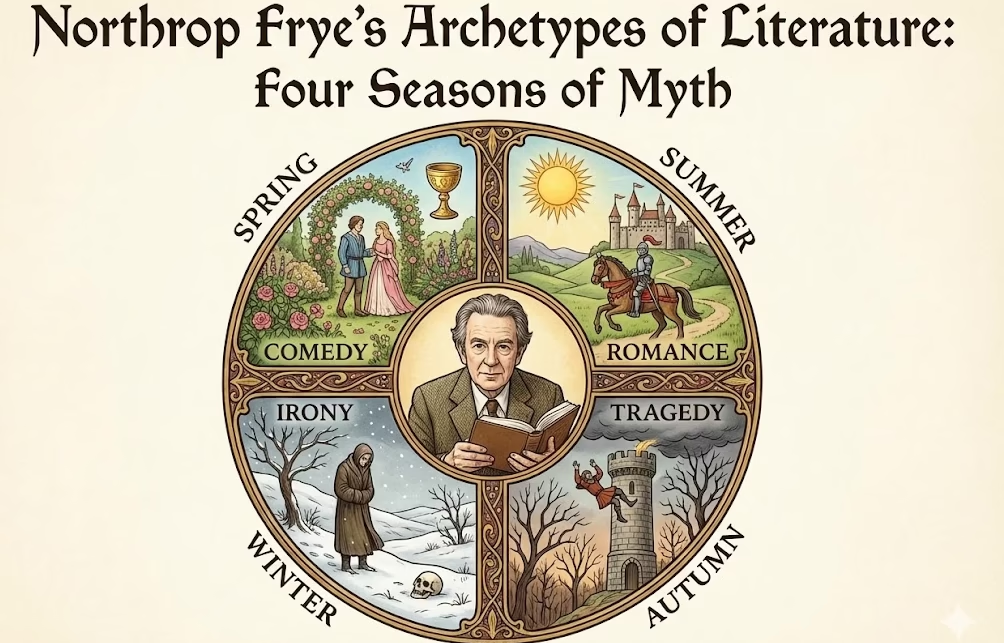
Introduction Northrop Frye’s Archetypes of Literature: Imagine if every book ever written was just a different version of the same story—myths, novels, and poems recycling timeless patterns. Enter Northrop Frye, the “Linnaeus of Literature,” who classified these patterns like a botanist...
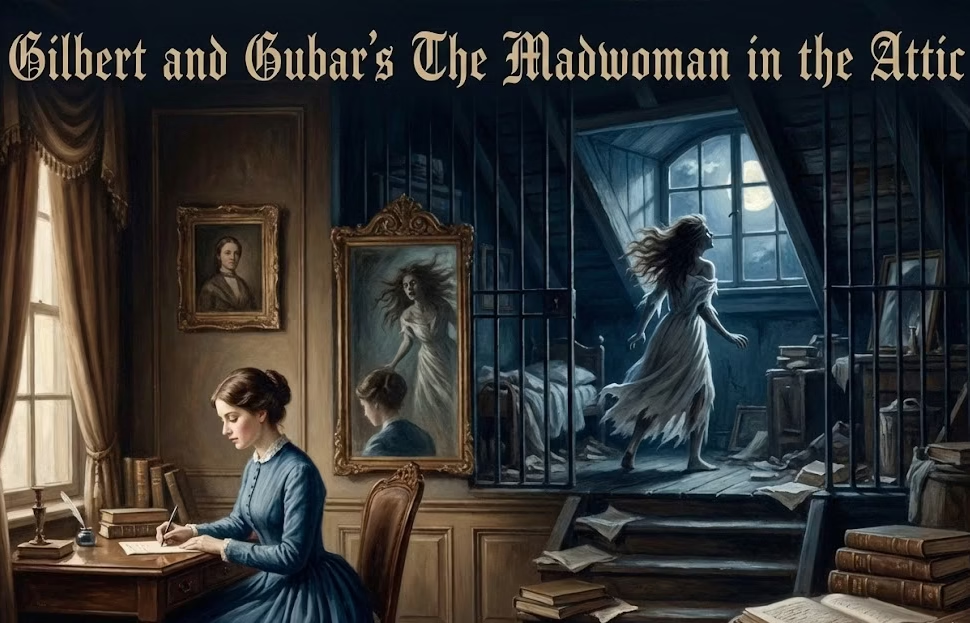
Introduction The Madwoman in the Attic: Why Society Labels Female Rage as Madness Think of the “crazy ex-girlfriend” trope in movies and memes. She’s furious, vengeful, unhinged—always the villain. Why do we slap the “crazy” label on angry women, from pop...
Introduction “Everything is a remix.” Just think of your favourite hip-hop track—Drake sampling older soul hits, or memes like the Distracted Boyfriend that endlessly recycle classic tropes. Movies do it too: The Matrix borrows from Japanese anime and Plato’s cave. These aren’t...
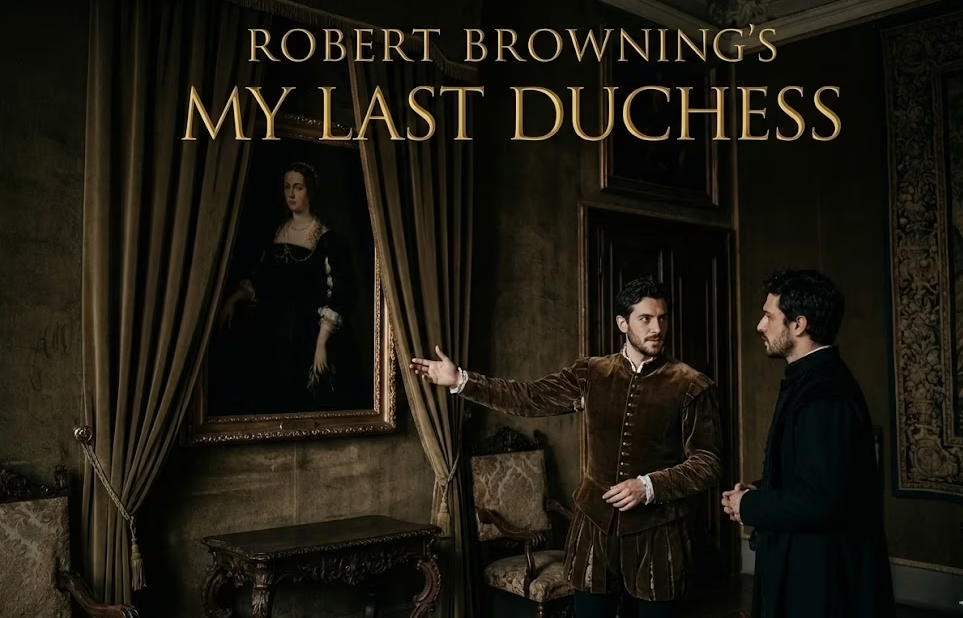
Introduction “That’s my last Duchess painted on the wall, / Looking as if she were alive.” These haunting opening lines from Robert Browning’s My Last Duchess immediately pull you into a world of aristocratic menace, where a Renaissance duke casually reveals his dark...
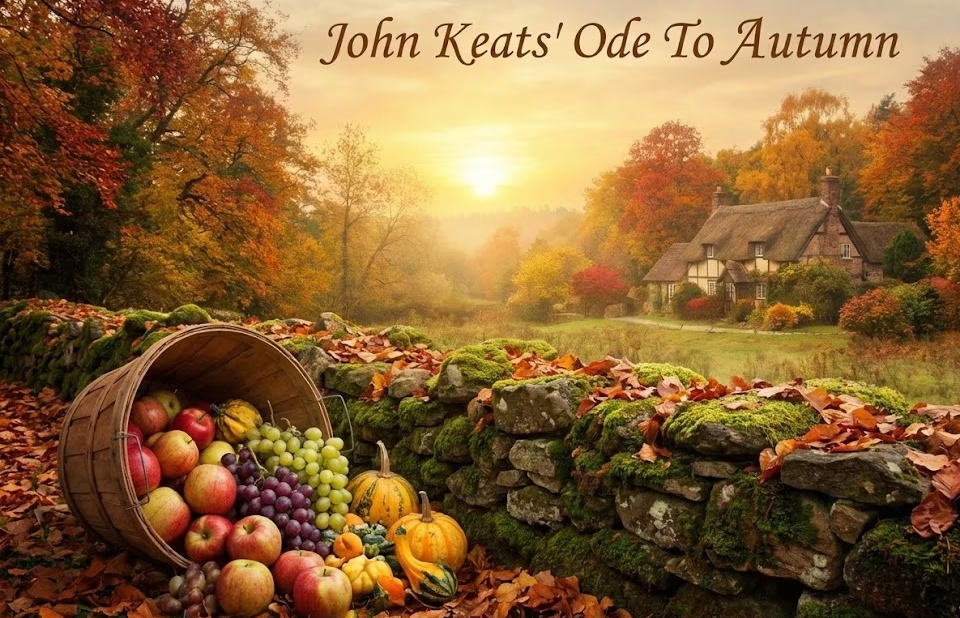
Introduction “Season of mists and mellow fruitfulness.” This iconic opening line from John Keats’ Ode to Autumn instantly evokes the rich, hazy beauty of the harvest season. Written in September 1819 after an inspiring walk near Winchester, England, it became Keats’ final...
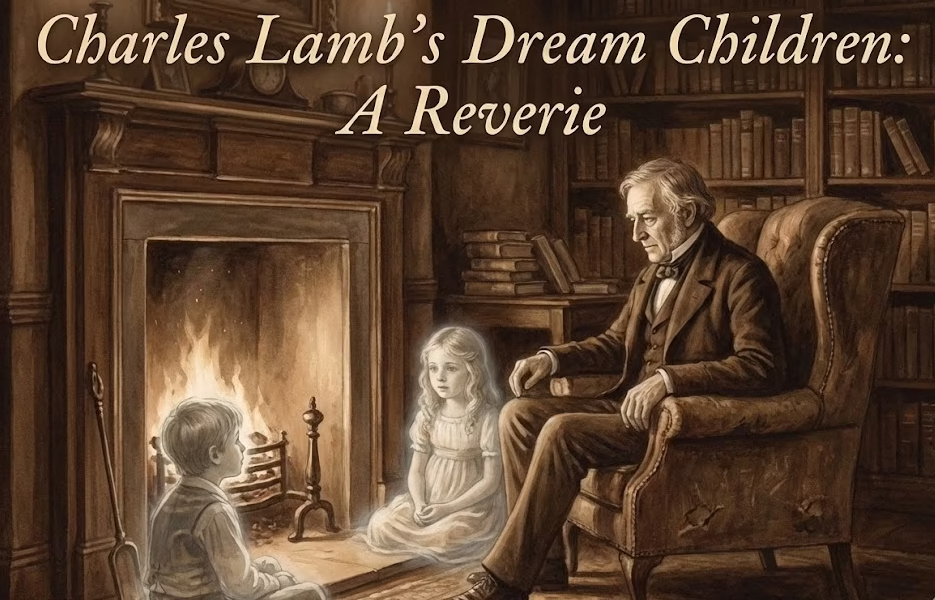
Introduction “We are not of Alice, nor of thee, nor are we children at all.” This devastating line from Charles Lamb’s Dream Children: A Reverie shatters the fragile illusion of family bliss. However, it captures the essay’s haunting core. Charles Lamb, a lifelong...
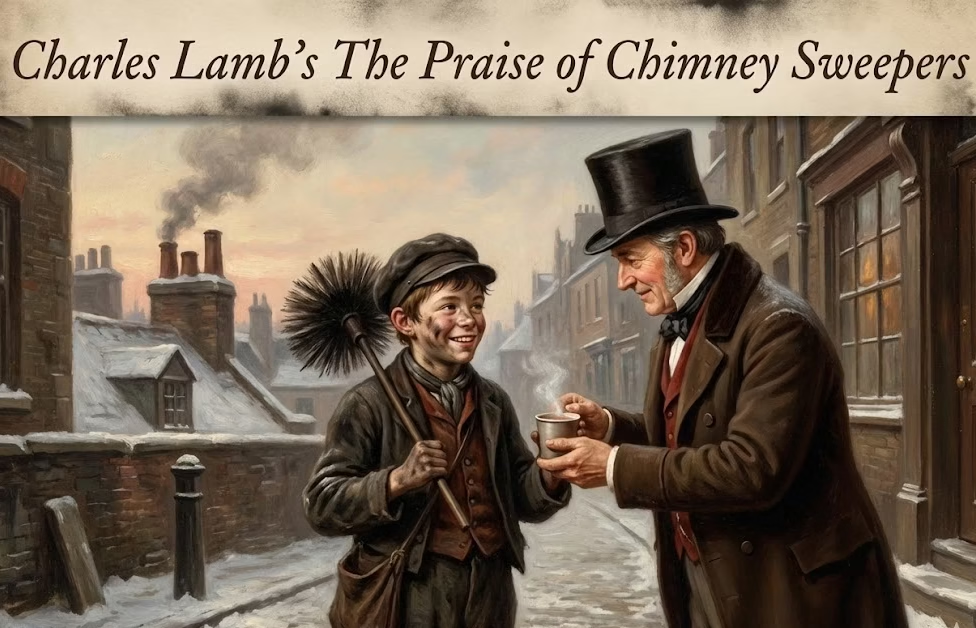
Introduction Charles Lamb’s The Praise of Chimney Sweepers opens with an affectionate paradox—Lamb calls the sweepers “dim specks” and “poor blots,” yet he treats them like royalty. In an age when society looked down upon these sooty little figures, Lamb saw something...
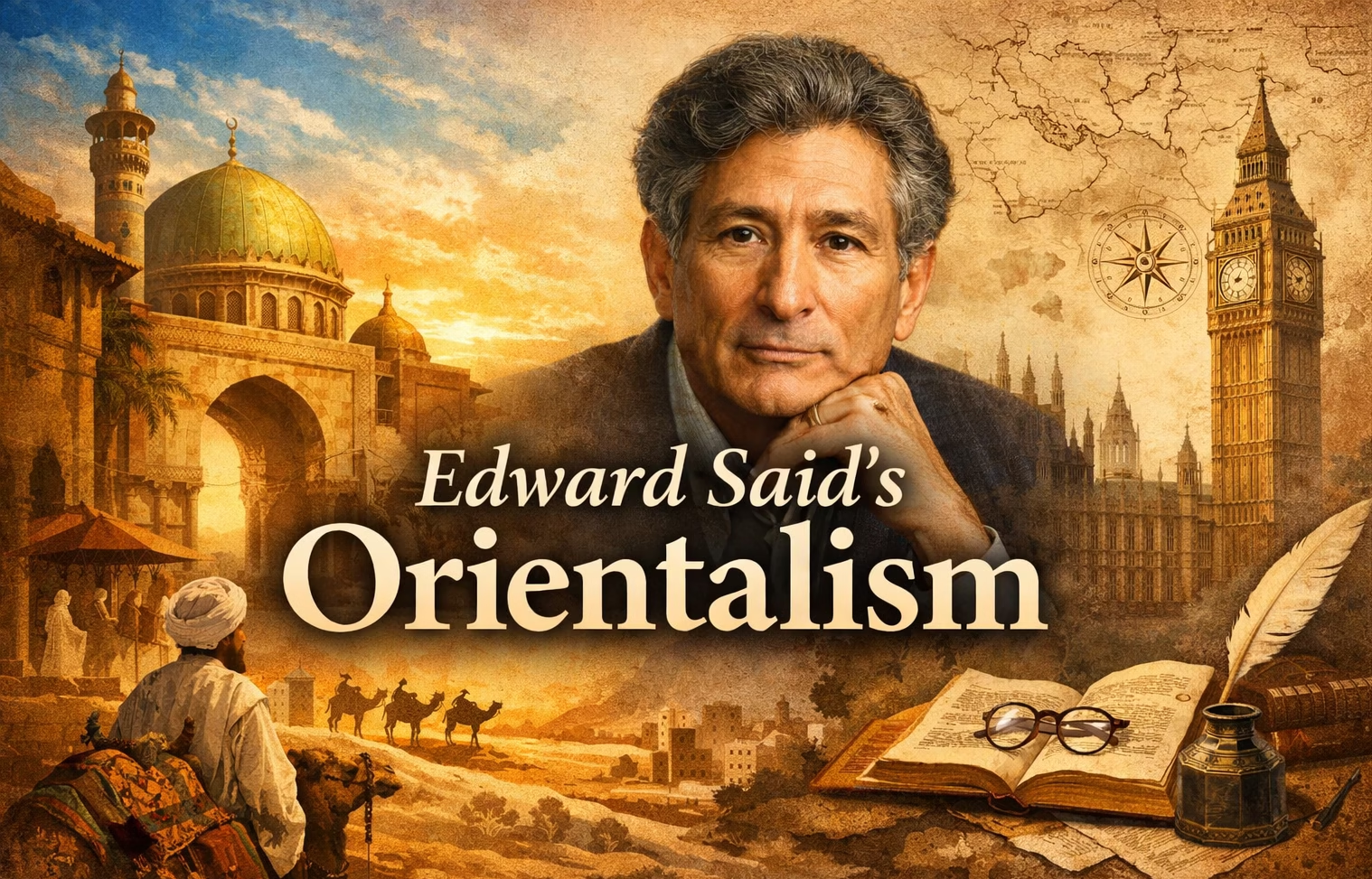
Introduction Edward Said’s Orientalism begins with a striking idea: “The East is not a place on a map; it is an idea invented by the West.” This idea captures the heart of Said’s 1978 work. His book reshaped how readers understand power, culture, and...
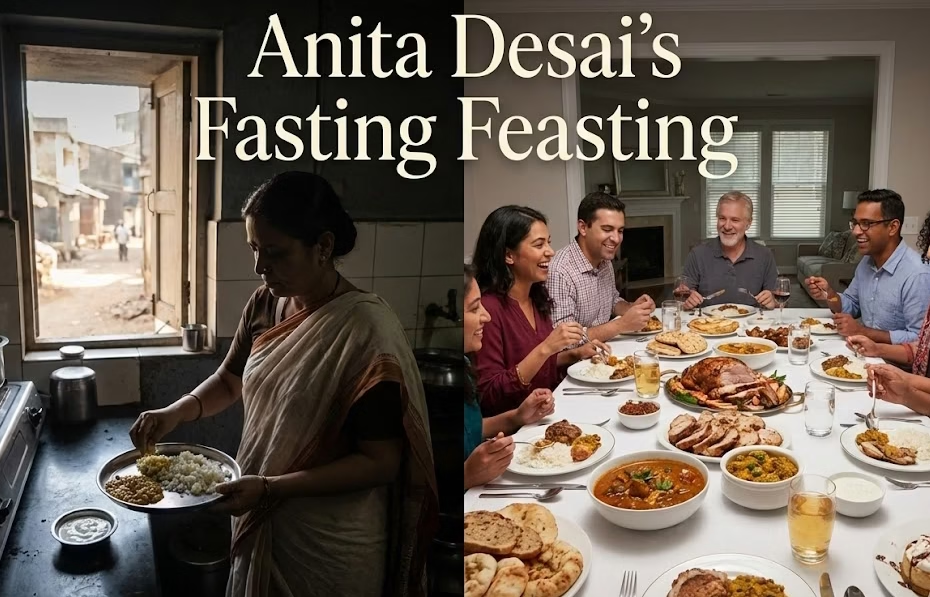
Introduction Anita Desai’s Fasting Feasting opens with the haunting contrast, “One creates a hunger where there is plenty; the other starves where there is famine.” This statement perfectly captures the emotional and psychological landscapes that define Desai’s world. Known for her deep exploration...