
December 22, 2025
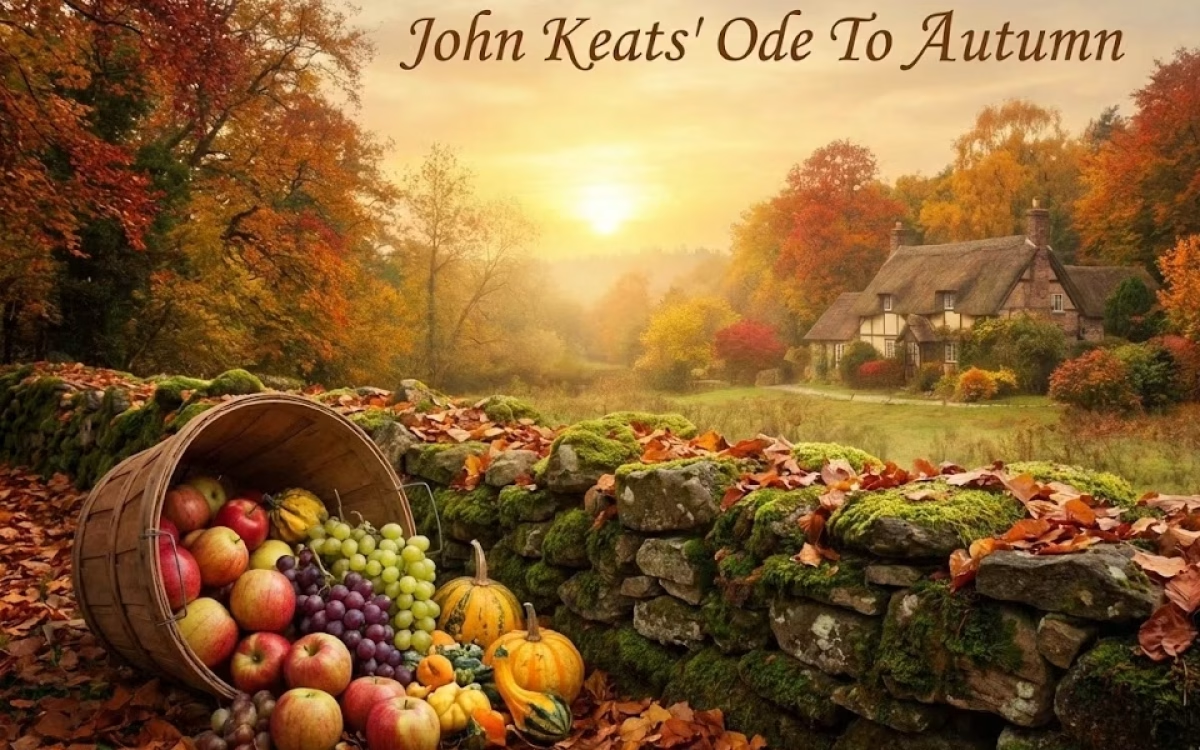
Introduction “Season of mists and mellow fruitfulness.” This iconic opening line from John Keats’ Ode to Autumn instantly evokes the rich, hazy beauty of the harvest season. Written in September 1819 after an inspiring walk near Winchester, England, it became Keats’ final major poem before his tragic death in 1821 at age 25. Unlike other Romantic poets like Shelley or Wordsworth, who often viewed autumn as a melancholic symbol of decay and impending winter, Keats celebrates it as a...
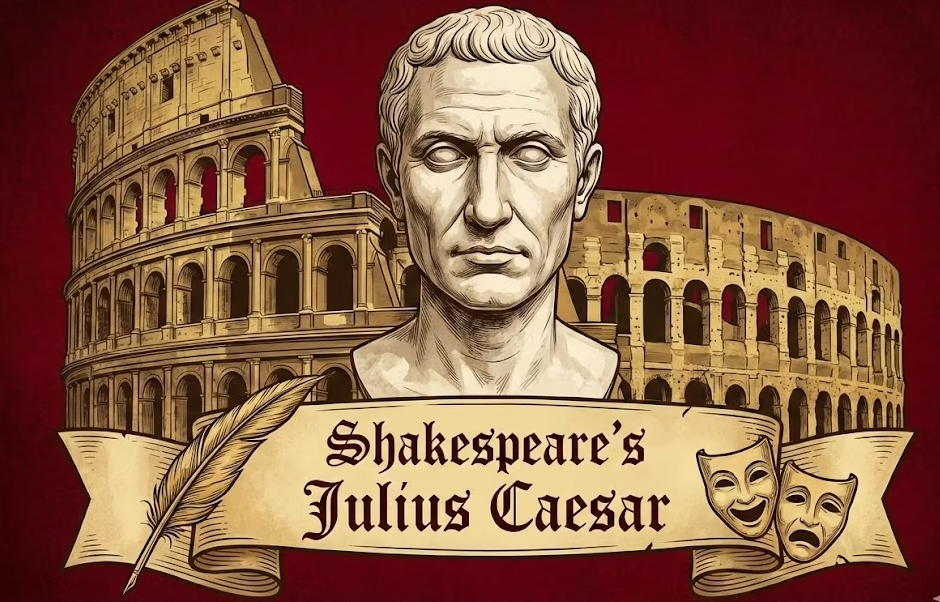
Introduction Shakespeare’s Julius Caesar remains one of the most compelling and widely studied tragedies in English literature. Shakespeare’s Julius Caesar is more than a dramatisation of history. It is a profound exploration of power, ambition, loyalty, and the moral complexities that...
Introduction Thomas Kaminski’s Neoclassicism in literature compellingly captures the moment when Europe deliberately looked to the ancient past to become modern. From about 1660 to 1800, writers in France and England consciously adopted classical genres, techniques, and ideals. They aimed to...
Introduction Longinus’ On the Sublime stands as one of the most influential works in the history of literary criticism. It offers a timeless exploration of what makes certain passages of literature truly unforgettable. At its heart, the treatise asks a simple yet profound...
Introduction George Parfitt’s Renaissance challenges the traditional classroom narrative. The Renaissance is not simply a golden age of rebirth. It is not just about Europe rediscovering classical learning after medieval darkness. Parfitt urges readers to see the term differently. He sees...
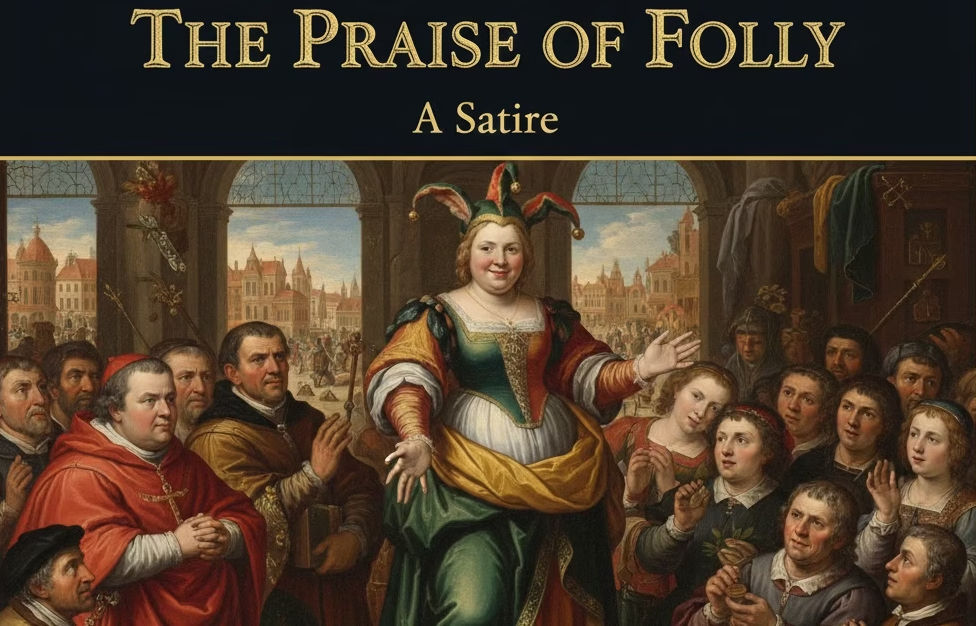
Introduction In the bustling intellectual circles of early 16th-century Europe, Desiderius Erasmus penned a work that would forever tickle the funny bone of philosophy: The Praise of Folly. Imagine someone named Folly strutting onto the stage, microphone in hand, delivering a...
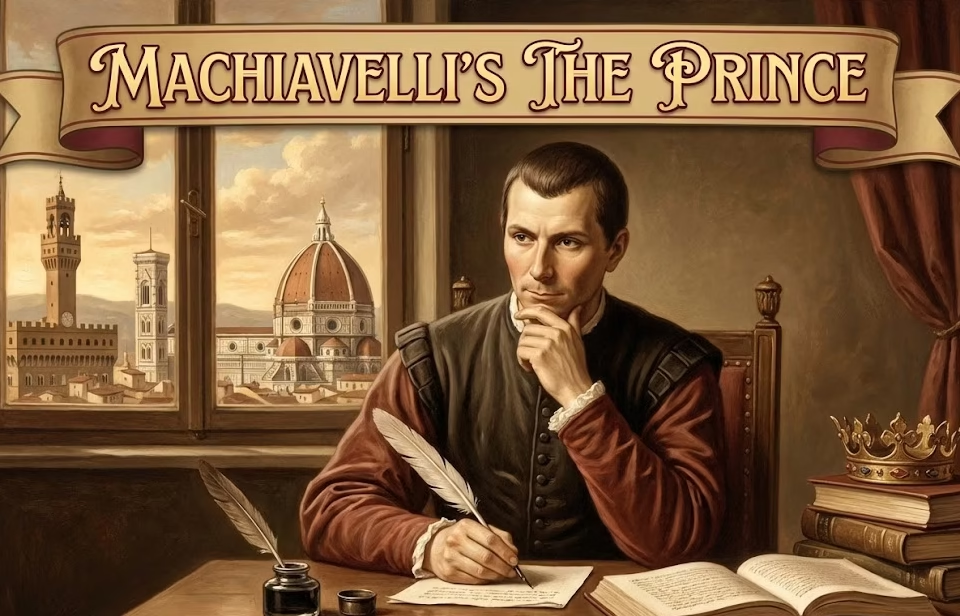
Introduction Few political texts have sparked as much debate, controversy and enduring fascination as Niccolò Machiavelli’s The Prince. Written in 1513, Machiavelli’s The Prince broke away from the idealistic traditions of political philosophy. It offered a starkly realistic guide for rulers seeking to...


