
Introduction
Shashi Deshpande’s The Binding Vine is a profound exploration of female resilience and societal oppression. It weaves through multiple generations of women’s lives in India, revealing their struggles across personal trauma and social repression. At its core, the novel highlights their unyielding spirit of endurance and strength. Rather than presenting suffering as an inevitable fate, the narrative emphasizes the quiet dignity in their perseverance. Through nuanced storytelling, it offers a realistic portrayal of women’s journeys toward healing and self-awareness. It avoids romanticized victimhood or forced heroism.
The story centers on Urmila, a middle-class college lecturer who wrestles with trauma after losing her infant daughter. Yet the novel does not just dwell on her grief; it embraces other women’s experiences across generations and social strata. This creates an intricate mosaic of lives marked by different challenges but united by shared resilience. Furthermore, the novel uses a dual narrative structure shifting between past and present. This deepens readers’ understanding of the emotional and societal realities shaping these women’s lives.
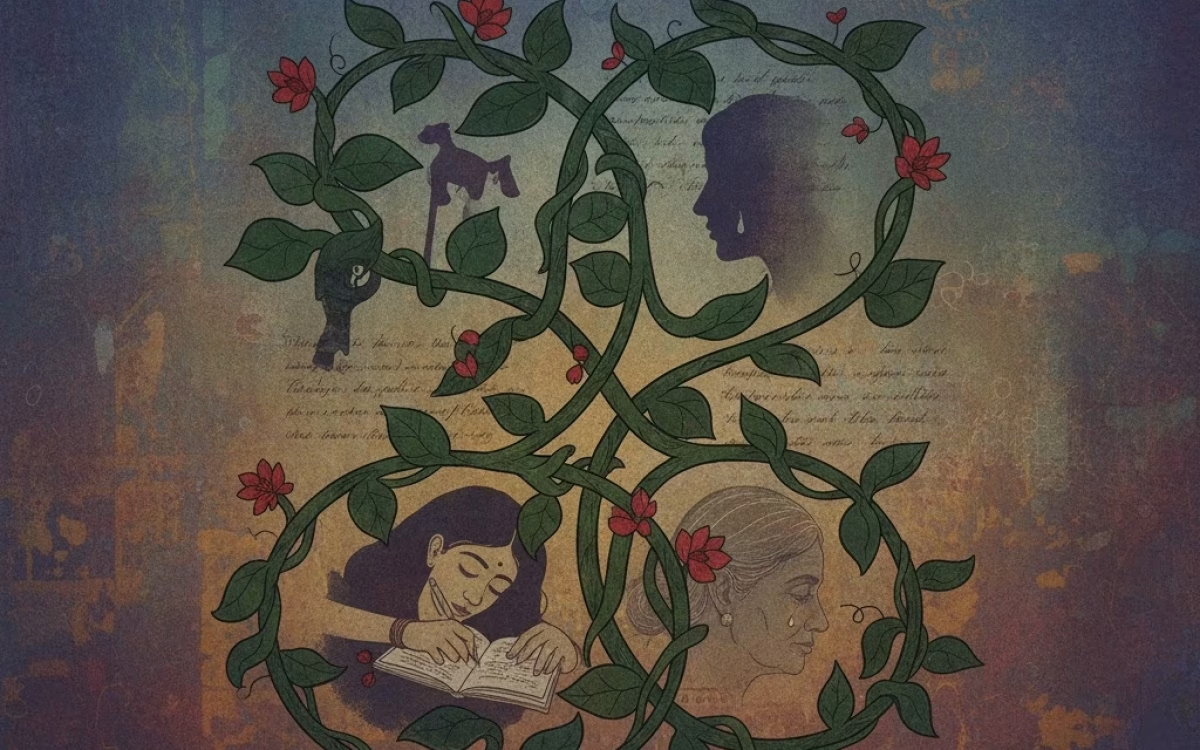
Deshpande masterfully employs symbolism, especially with the ‘binding vine,’ to underscore the intertwined oppression and connectedness of women. This metaphor evolves, becoming a symbol of collective strength and solidarity. By weaving these stories with vivid, lyrical language, the novel not only exposes ongoing struggles but celebrates the unbreakable bonds of sisterhood supporting women across generations.
Shashi Deshpande The Binding Vine: Plot and Structure
The novel centers primarily on Urmila, or Urmi, who is reeling from the trauma of losing her infant daughter. This devastating loss plunges her into silent isolation, reshaping her entire world. Meanwhile, the storyline unfolds through a dual narrative structure that skillfully intertwines present events with discoveries from the past. Notably, the diary of Mira—Urmi’s late mother-in-law—emerges as a crucial element. Through Mira’s poetic outpourings, the dark truths of marital rape and female suppression come to light. Furthermore, Urmi encounters Kalpana, a young rape survivor whose brutal assault and ensuing trauma bring contemporary societal horrors into sharp relief.
This narrative weaving, which shifts between Urmi’s reflections, Mira’s revelations, and Kalpana’s tragedy, deepens the story’s emotional resonance. Consequently, it showcases the multifaceted experiences of women’s pain and endurance across generations. Moreover, the dual timeline and multiple perspectives enrich the reader’s understanding, transforming the novel from a singular tale into a collective story of womanhood under duress. This complex narrative technique effectively captures the interconnectedness of female suffering and resilience. FULL TEXT
Shashi Deshpande’s The Binding Vine: Thematic Depth
Feminist Perspectives
The novel The Binding Vine challenges traditional gender roles and highlights systemic oppression within patriarchal society. It vividly portrays how Urmi struggles against these forces. She becomes a poignant symbol of women trapped in marriages that lack emotional support and are constrained by societal expectations that silence their voices. The novel uncovers three female lives—Urmila, Mira, and Kalpana—each symbolizing different facets of oppression. These range from emotional neglect and marital rape to the physical and psychological trauma of sexual violence. Through these characters, Deshpande critiques the pervasive misogyny that persists in Indian culture. She also questions the silence imposed on women by social institutions.
Patriarchy’s Symbolic Vine
The metaphor of the ‘binding vine’ is masterfully employed to depict both the constriction and connection experienced by women. Patriarchy acts as a vine choking individual freedom while simultaneously binding women in intricate relationships of shared suffering and support. Deshpande presents this vine as a dual symbol—a force of oppression and a thread of solidarity that, while restrictive, also creates a network of mutual empathy and healing among women.
Shashi Deshpande’s The Binding Vine: Character Analysis
Urmila: A Portrait of Resilience and Transformation
Urmi’s character stands as the emotional core of The Binding Vine. She represents the modern Indian woman caught between rigid traditional expectations and the desire for self-assertion. Educated and intelligent, Urmi initially appears subdued, weighed down by grief and a troubled marriage. However, as the story progresses, her inner strength becomes evident. Her struggle with depression is depicted with psychological sensitivity, showing how the tragic loss of her child slowly erodes her spirit.
Despite this, Urmi is determined to live for her surviving son and to break the silence surrounding women’s suffering. This determination marks her transformative journey. By choosing to publish her late mother-in-law Mira’s intimate poetry and actively engaging in the case of Kalpana, a young rape survivor, Urmi moves from trauma to empowerment. In doing so, she rebels against the quiet endurance traditionally expected of women, forging a path toward healing, advocacy, and self-realization.
Mira: The Silent Cry Against Marital Oppression
Mira’s character, revealed through her poetry and diary, starkly exposes the brutal reality of marital rape and emotional subjugation. In a society where women’s complaints are often ignored, her hidden poetic voice serves as a powerful symbol of repressed pain and silent resistance. Her tragic life highlights how marital rape remains invisible as an issue and reveals the lack of support for women’s mental and physical autonomy. Mira’s writings, once concealed, unlock the truth behind the façade of a perfect marriage and inspire Urmi’s journey toward awareness and courage.
Kalpana and Shakutai: The Costs of Social Stigma
Kalpana was brutally assaulted by a family member, and her mother, Shakutai, responded with conflicted emotions. This situation highlights the severe social stigma attached to rape victims in India. Often, the victims and their families face isolation and shame, while the perpetrators avoid justice. Moreover, Shakutai’s fear of social rejection and the potential loss of her daughters’ marriage prospects underscore the harsh realities many women endure.
In such contexts, protecting family honor frequently takes precedence over seeking justice and healing. Urmi’s involvement in Kalpana’s life acts as a strong gesture of solidarity, emphasizing that the healing process for women is interconnected and collective.
Shashi Deshpande’s The Binding Vine: Social Commentary
The novel sheds light on the often-neglected topic of mental health in Indian society, particularly among women. Urmi’s inward struggle with loss-induced depression is portrayed with deep psychological sensitivity, revealing the widespread stigma and misunderstanding surrounding mental health issues. Her lack of emotional support from both her husband and community intensifies her sense of isolation. This situation highlights the urgent need for greater empathy and awareness about mental health.
Also, The Binding Vine critiques rigid gender roles forced upon women. It explores their roles as dutiful wives, nurturing mothers, or silent sufferers. The stark contrast between Urmi’s educated independence and her oppressive family environment highlights tension. Many Indian women face a conflict. They strive for modernity. Yet traditional social shackles limit them. Deshpande delves into marriage’s institution, showing it can be a site of suffering. Characters like Mira, Sulu, and Sakuntai embody this reality. Moreover, the novel boldly addresses marital rape and women’s autonomy. It delivers a strong feminist statement. Overall, The Binding Vine powerfully portrays women’s struggles and resilience. It inspires reflection on gender, mental health, and societal change.
Literary Devices and Style
Deshpande’s writing style in The Binding Vine is subtle yet evocative. The use of symbolism—such as the vine representing both captivity and connection—adds interpretive depth. The diary entries and poems interspersed in the narrative lend a poignant, lyrical texture that contrasts with the stark realities the characters endure.
Her use of internal monologues and shifting narrative perspectives allows readers intimate access to the characters’ thoughts and emotions, fostering empathy and understanding. The language flows naturally, combining simplicity with emotional intensity, making the novel accessible while maintaining literary sophistication.
The Binding Vine’s Influence in Indian Literature
The Binding Vine holds a respected place in Indian feminist literature, notable for its candid treatment of taboo subjects like marital rape and sexual violence. It broadens the discourse on women’s rights and mental health, influencing subsequent writers who explore feminist themes.
The novel challenges societal indifference and stereotypes, encouraging readers to confront uncomfortable realities and advocate for change. Its portrayal of complex female characters living authentically amidst adversity has inspired both academic and popular engagement, contributing to its enduring significance.
Shashi Deshpande’s The Binding Vine: Commentary
In today’s global context, where gender equality continues to be contested, The Binding Vine remains strikingly relevant. The novel urges contemporary readers to recognize the layered oppressions women endure and the silent rebellions that often go unnoticed. Urmi’s story, in particular, is a compelling testament to the power of personal grief transformed into collective action.
This narrative transcends cultural boundaries, speaking to universal themes of loss, resilience, and the necessity of breaking silence. It invites readers to engage not only intellectually but emotionally, cultivating empathy for the lived realities of women worldwide. EXPLORE OTHER WORKS
Conclusion:
The novel The Binding Vine by Shashi Deshpande offers a powerful exploration of themes central to human experience and societal critique. It highlights the often-neglected issue of mental health among women in Indian society with Urmi’s internal battle with depression depicted sensitively. This portrayal reflects the widespread stigma surrounding mental health struggles. Urmi’s lack of emotional support from her family deepens her isolation, emphasizing the urgent need for empathy and awareness.
The novel also critiques rigid gender roles imposed on women, whether as dutiful wives, nurturing mothers, or silent sufferers. The tension many Indian women face between modern aspirations and traditional constraints is highlighted through the contrast between Urmi’s educated independence and her oppressive familial environment. Furthermore, Deshpande delves into the institution of marriage, portraying it as a site of suffering through characters like Mira, Sulu, and Sakuntai. The novel confronts issues of marital rape and women’s autonomy, making a bold feminist statement. Thus, extending beyond individual stories, the narrative embraces a collective female consciousness united by empathy and defiance.
The ‘binding vine’ metaphor evolves from representing restrictive forces to symbolizing interconnectedness that—though challenging—also offers strength and support. Although the novel concludes without neat resolutions for all characters, reflecting real life’s complexity, it leaves readers with a hopeful vision of living authentically, speaking out, and seeking solidarity.
The enduring impact of The Binding Vine lies in its unflinching portrayal of women as multifaceted beings who grapple with pain, carry scars, and yet demonstrate profound growth and resistance. Rather than romanticizing suffering, the novel honors the quiet dignity of survival and celebrates the transformative power of acknowledging truth. Consequently, the work continues to resonate deeply in Indian literature and feminist discourse worldwide. It encourages readers to confront uncomfortable realities and affirm the vital need for empathy, mental health awareness, and gender equity.
Ultimately, The Binding Vine stands as a testament to the silent revolutions women wage daily—revolutions of recognition, voice, and reclaiming identity amid societal entanglements. Its message is clear and timeless: breaking free from oppression begins by telling one’s story, honoring shared struggles, and finding strength in collective bonds. Therefore, this novel inspires ongoing reflection and action toward gender justice and solidarity.