February 17, 2026

Introduction Before Salman Rushdie or Arundhati Roy dazzled global readers, the Big Three of Indian English—Mulk Raj Anand, R.K. Narayan, and Raja Rao—proved the Indian experience could thrive authentically in English. The Context The 1930s marked the golden decade for Indian Writing in English (IWE). Amid the Gandhian freedom struggle, these writers drew inspiration from India’s fight for independence, blending local voices with colonial tongues. Though active in the same era, Anand, Narayan, and Rao captured India from...
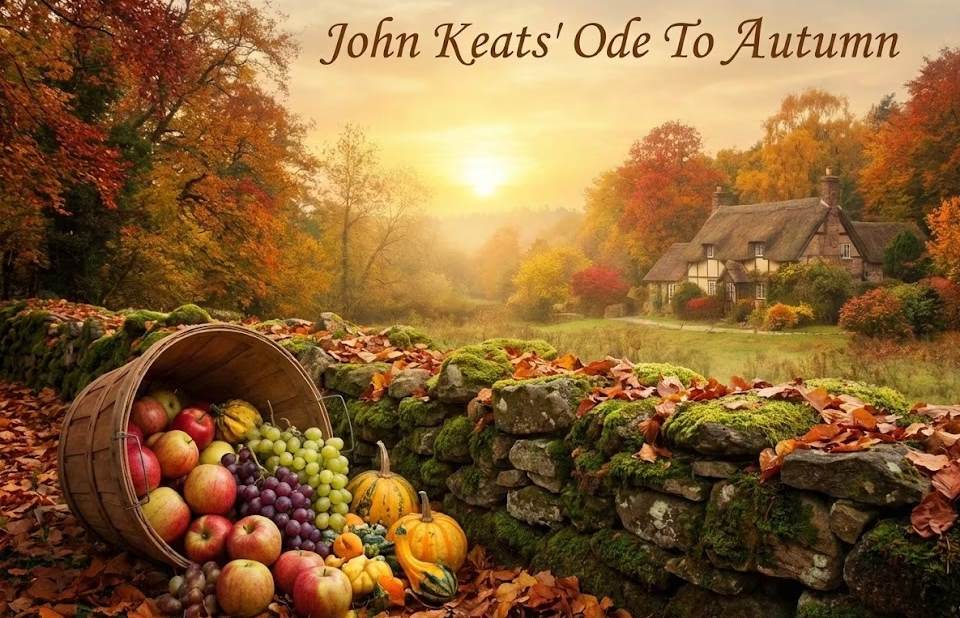
Introduction “Season of mists and mellow fruitfulness.” This iconic opening line from John Keats’ Ode to Autumn instantly evokes the rich, hazy beauty of the harvest season. Written in September 1819 after an inspiring walk near Winchester, England, it became Keats’ final...
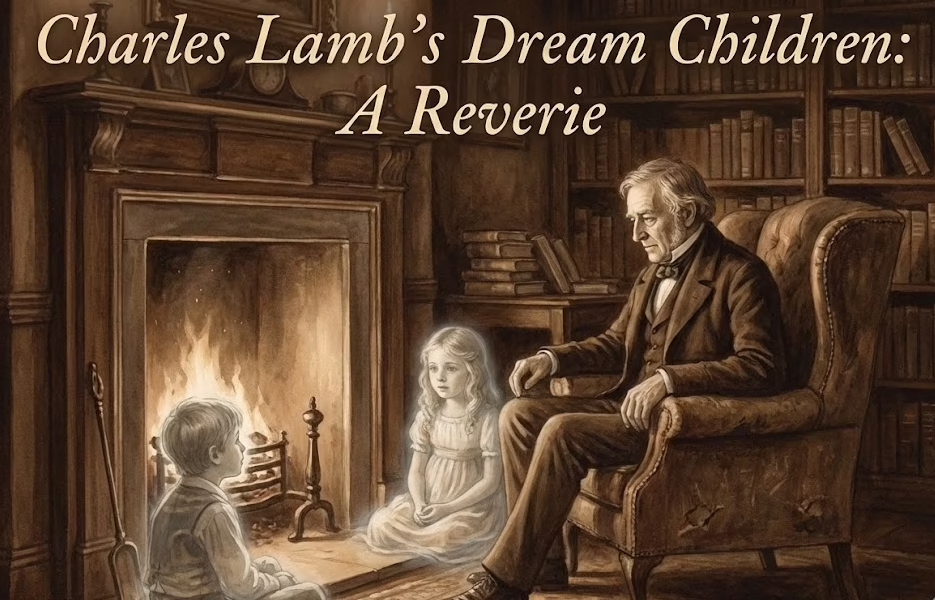
Introduction “We are not of Alice, nor of thee, nor are we children at all.” This devastating line from Charles Lamb’s Dream Children: A Reverie shatters the fragile illusion of family bliss. However, it captures the essay’s haunting core. Charles Lamb, a lifelong...
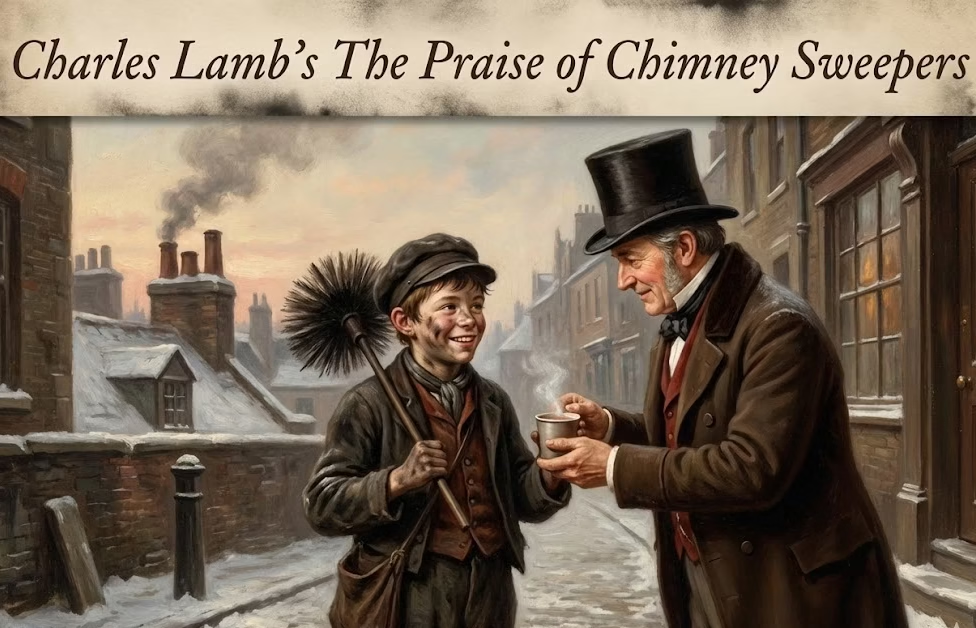
Introduction Charles Lamb’s The Praise of Chimney Sweepers opens with an affectionate paradox—Lamb calls the sweepers “dim specks” and “poor blots,” yet he treats them like royalty. In an age when society looked down upon these sooty little figures, Lamb saw something...
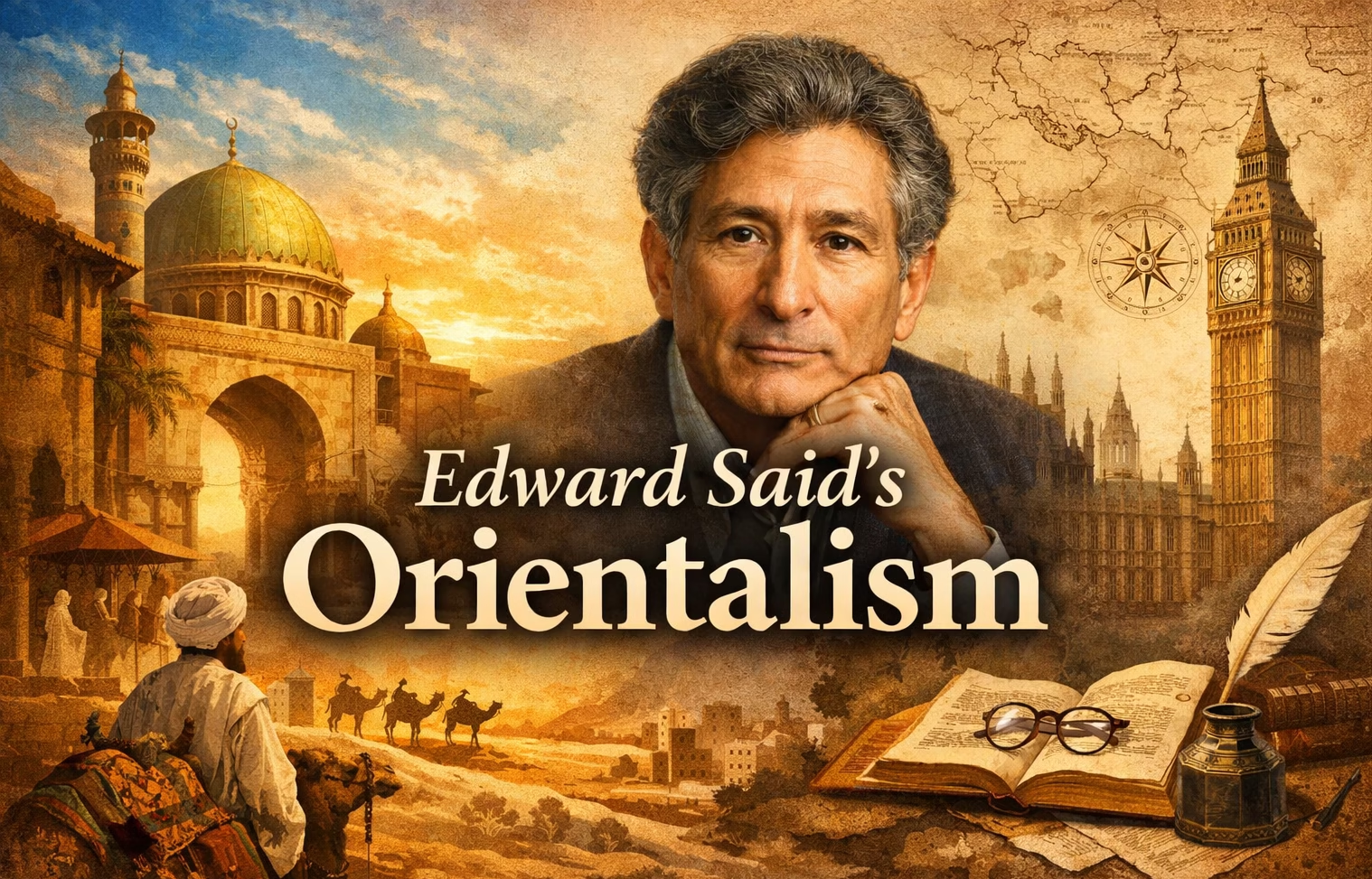
Introduction Edward Said’s Orientalism begins with a striking idea: “The East is not a place on a map; it is an idea invented by the West.” This idea captures the heart of Said’s 1978 work. His book reshaped how readers understand power, culture, and...

Introduction Anita Desai’s Fasting Feasting opens with the haunting contrast, “One creates a hunger where there is plenty; the other starves where there is famine.” This statement perfectly captures the emotional and psychological landscapes that define Desai’s world. Known for her deep exploration...
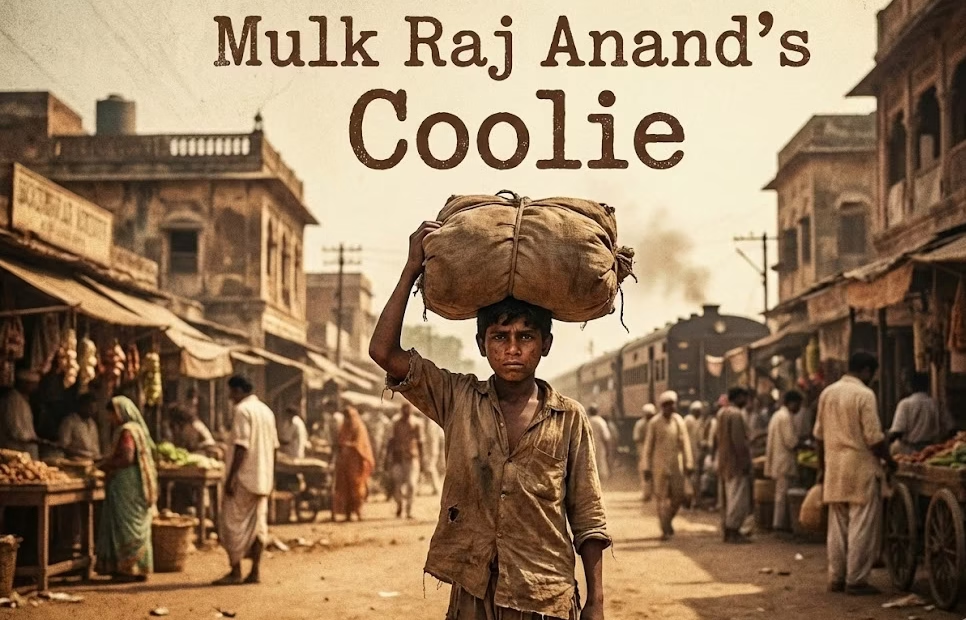
Introduction Mulk Raj Anand’s Coolie captures the tragic pulse of colonial India with a piercing honesty rarely seen in early Indian English fiction. In the West, the ‘picaresque’ hero usually survives. In Anand’s India, he dies. This reversal sets the tone for a narrative...